Egypt
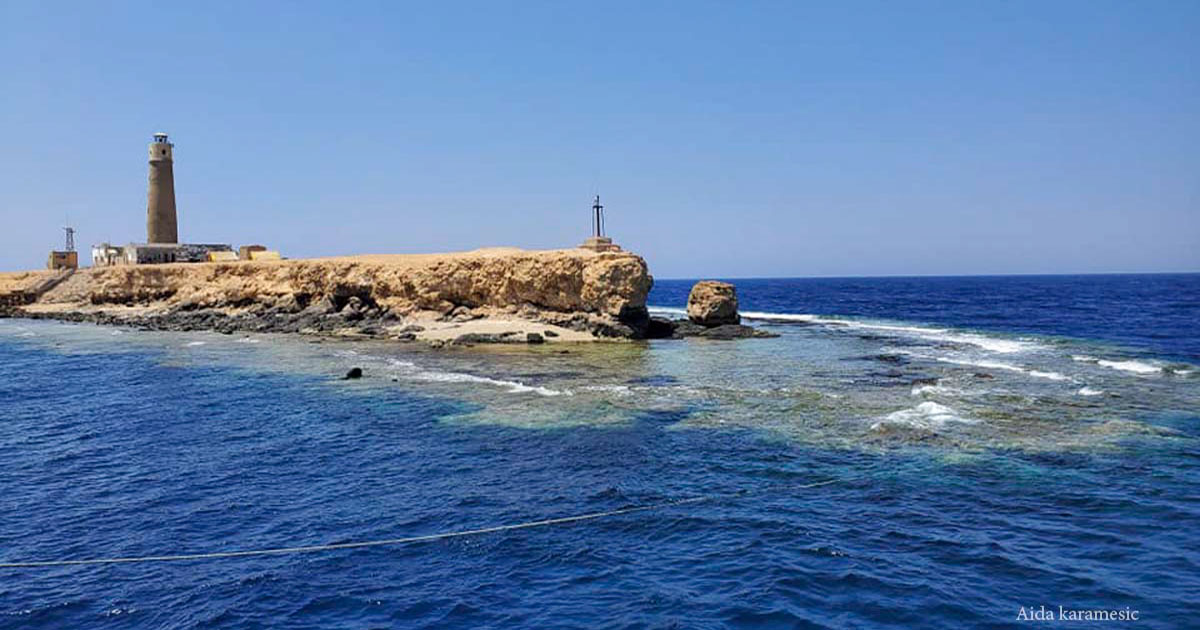
Egypt is one of the most popular diving destinations in the world, and for good reason. The location provides a comfortable year-round climate, excellent diving conditions, convenient logistics, and much more! Although Egypt has a long Mediterranean coastline in its north, most of the best scuba diving in Egypt is enjoyed on the country’s east coast, in The Red Sea. This narrow strip of water between Egypt and neighbouring Saudi Arabia is extremely popular for scuba diving day trips and diving liveaboards. The high-quality diving conditions result in lots of divers and dive operators, and that means the competition in business keeps the rates & service in favour of the customers. Without doubt, the best way to enjoy scuba diving in The Red Sea from Egypt is by liveaboard diving cruise. On this page, you can find a wide selection of the best Egypt diving liveaboards, each with its own character and individual reasons to choose. Also on this page, you can read about trip itineraries, prices, the best & most-popular diving areas, marine life, fees & regulations, & more.
Red Sea Scuba Liveaboards
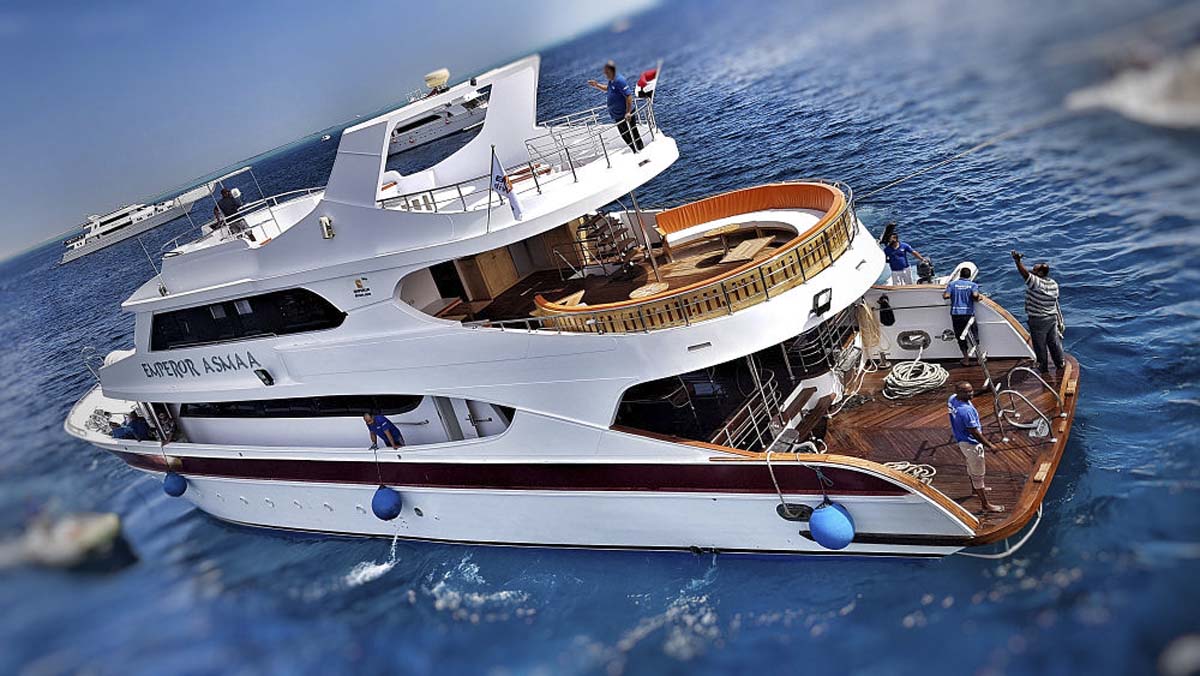
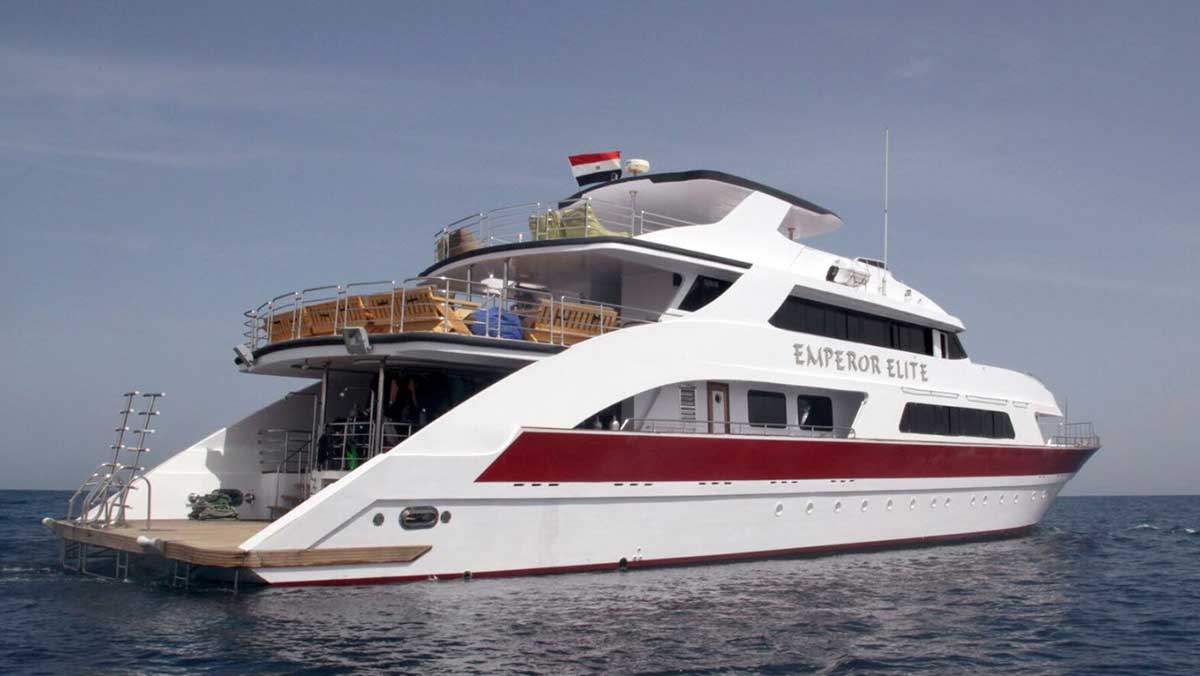
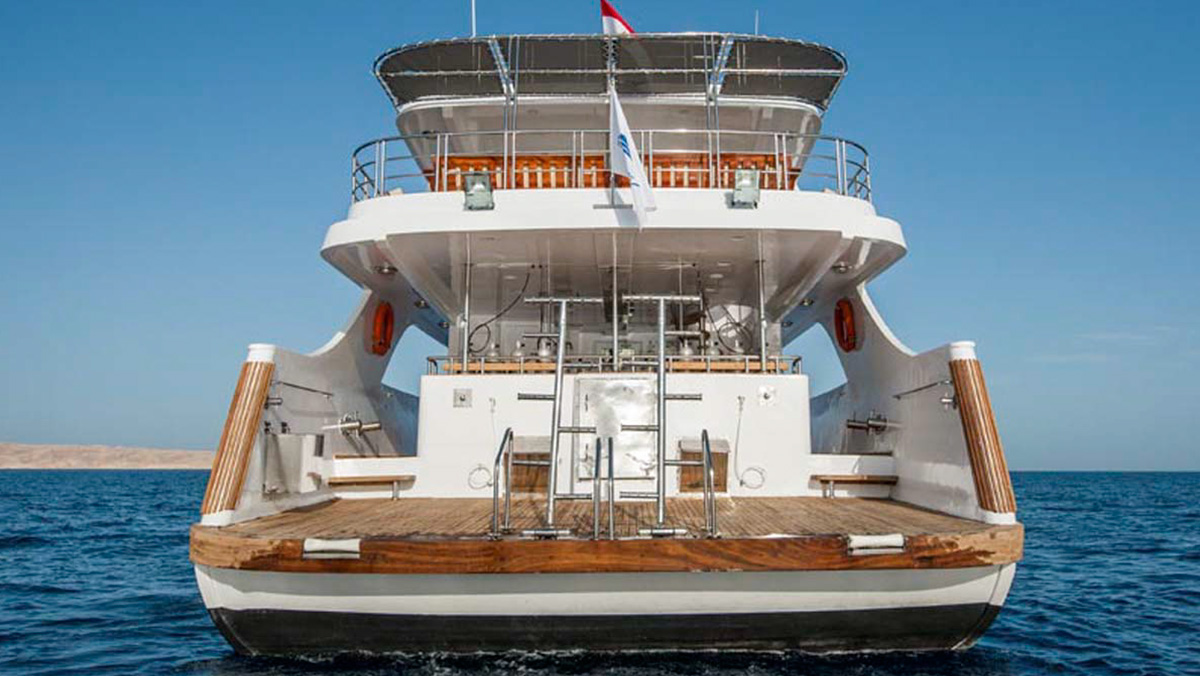
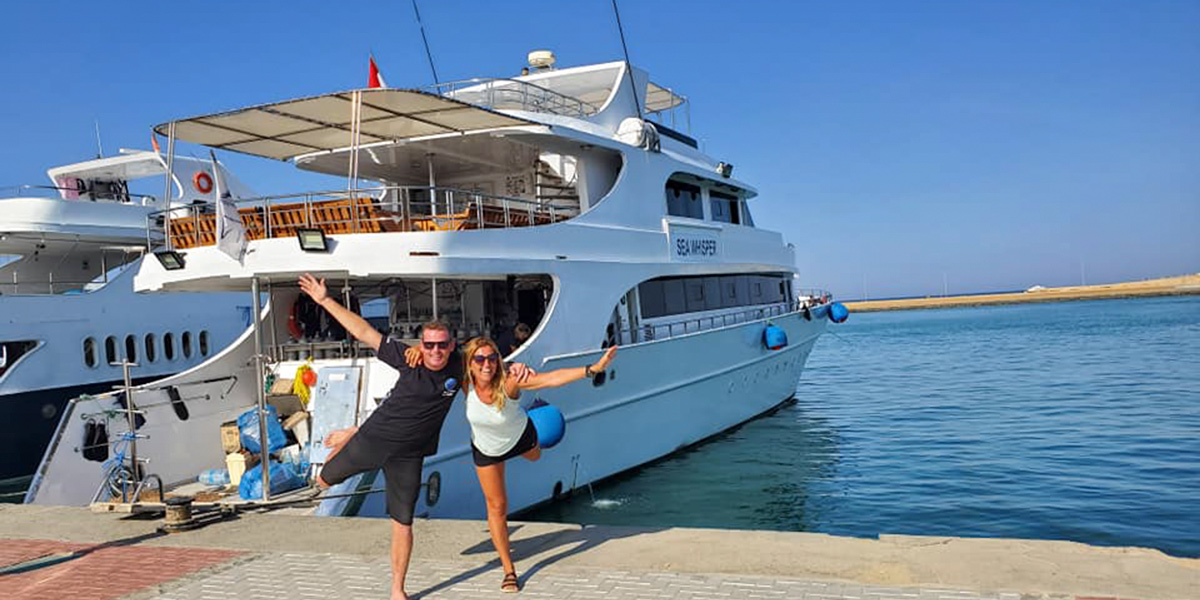
Egypt Red Sea diving liveaboards come in slightly different shapes & sizes, but the majority of them follow a similar theme. This theme is also much like the diving liveaboards of The Maldives. Most of the boats are 28-40 metres in length and purpose-built for scuba diving with wooden hulls, & air-conditioned guest cabins with twin or double beds. Unlike the Maldives boats which use support vessels for the diving, the Red Sea liveaboards have a dive deck at the rear of the boat. This reduces the usable area for relaxing on board, but all of the boats still have plenty of space. This space includes an indoor air-conditioned lounge saloon for meals & dive briefings. There’s also sunbathing areas on the roof and usually the front of the middle deck. And of course, most of the non-diving time is spent by guests sitting on outdoor sofas in shaded areas, either at the outdoor bar area or up on the top deck. Almost all of the boats are motor yachts, running two inboard engines which are hidden down below. The crew & dive staff mainly locals with some foreigners. The number of Divemaster guides depends on how many diving guests are on each cruise. All of the liveaboards use at least one motorised tender dinghy for picking up divers who surface near the reef. Also, if there’s the opportunity to visit a beach during the cruise, these dinghies are used to transfer guests. On all the liveaboards guests’ tanks are filled by the quiet compressors between dives, and the equipment remains set up throughout the trip. Normally each diver gets his or her own ‘station/slot’ where the gear is kept and tanks refilled. Nitrox is common on most boats, and available for free on many. Any large luggage items not required during the trip can be stored securely below deck. A typical Egypt Red Sea diving liveaboard boat can accommodate 20-24 diving guests, but some are limited to 12-15 and a few can take more than 25.
Red Sea Liveaboard Trip Itineraries
Again like diving in the Maldives, the trip itineraries are designed for guests to arrive by plane, go straight to the boat, dive for six days, and then return to the airport a week later. These itineraries are planned so that you don’t need to book a hotel if your diving vacation is one week long. Don’t worry about a bit of jet-lag or the 24-hour no-fly time. This is all taken into account and planned for. If you land in the morning or lunchtime of departure day you can be collected at the airport (usually for free) and taken to the boat. Onboard you can adjust to the new time zone and relax, enjoying dinner on board and maybe a drink or two. Even if you arrive later in the day, the boats often don’t leave until the following morning. Diving starts on your second day onboard, after you have had a good night’s sleep. Depending on sailing times and dive locations, a normal day on a Red Sea liveaboard gives you three or sometimes four dives. If four dives, the fourth and final dive is usually a night dive, or a sunset dive. On the final full day of your trip, there will be two dives in the morning, then in the afternoon you have time for your diving equipment to dry before you pack it away, and of course time to off-gas before you fly. The afternoon and evening can be spent exchanging contact details with other guests, sharing photos or videos, clearing your on-board bill, and of course, enjoying the final sunset with dinner and some drinks. Disembarkation is in the morning, after breakfast, and free transfers are offered to return you to the local airport or maybe a hotel if your holiday in Egypt continues. Sometimes Egypt Red Sea liveaboards take guests to a nearby 4-star hotel for the final night of the trip.
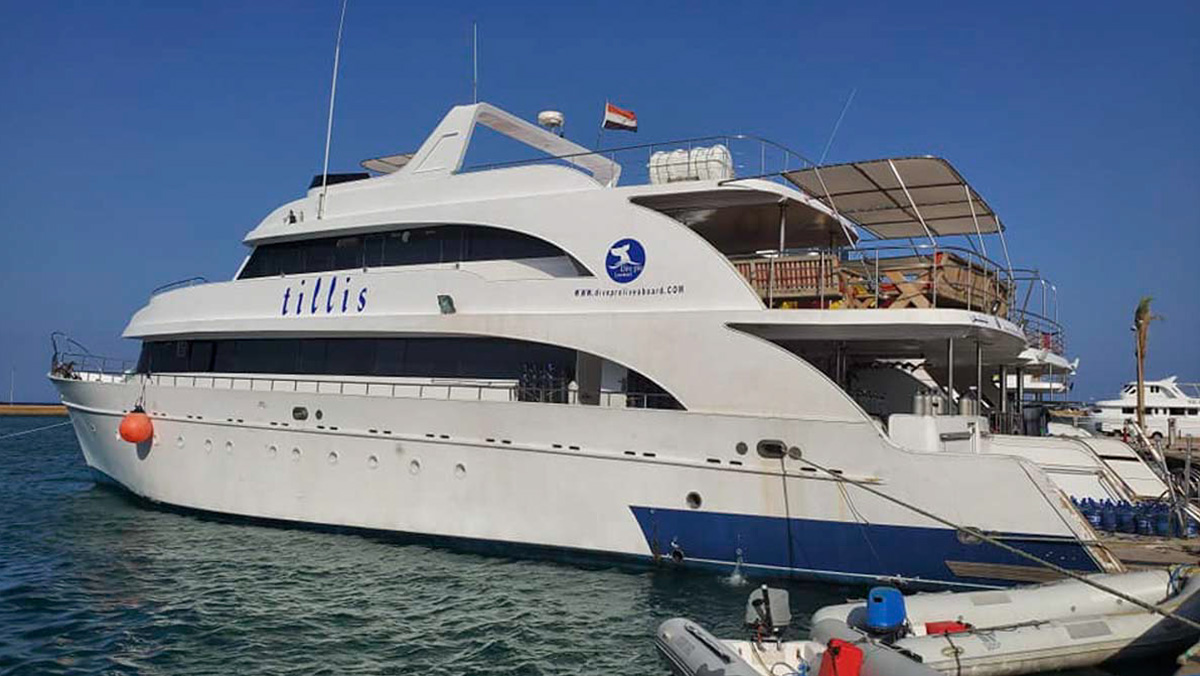
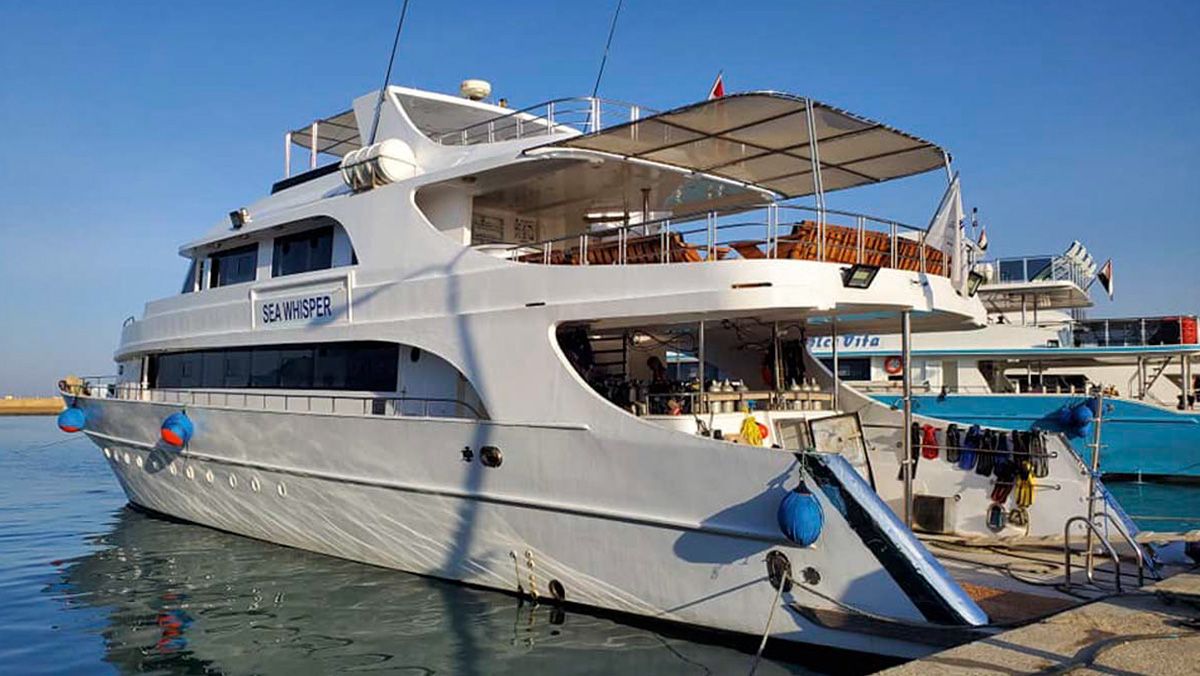
Because the boats are often in the harbour for the first and final nights of each trip, sometimes guests are taken to a local 4-star hotel on one of these nights. Ideally, everyone stays on board, but at times it’s better for guests to relax in a hotel if the boat is being restocked or cleaned between trips, or is arriving late or leaving early. Staying in a nice hotel for the first or final night of your Red Sea liveaboard cruise doesn’t affect the diving itinerary, so don’t worry.
Red Sea Liveaboard Prices
Egypt Red Sea diving liveaboards are very reasonably priced, especially when compared to similar trips in other countries. The main reasons for the great-value prices include competition among the different operators, and the use of local staff more than foreigners. Also, one of the biggest costs of running a boat is fuel, and although Red Sea liveaboards sail for a week to some remote and exciting dive sites, the actual distances that they cover during the trip is not as far as, for example, a Maldives or Indonesia liveaboard diving cruise.
Of course, the price you pay depends on which boat & which cabin you choose, plus the time of year that you travel. Some boats are more expensive than others, and the better cabins (usually on a higher deck) have an extra cost over the more-basic cabins. During the high season, the rates are higher than during the regular or low season months.
And finally, if you book far in advance you have more choice and there may be an Early-Bird discount. But also some boats offer last-minute deals.
In summary, the rates for a 7D/7N Red Sea liveaboard cruise average around €800-1000 per diver. Some trips are more than €1,200 but not many. Likewise, it’s possible to find some trips available for €700-750. So, for €120-150/day you get full-board accommodation and scuba diving at some of the best diving locations in the world. The cabins are not huge, but they’re always comfortable. They have air-conditioning, private bathrooms, storage space, reading lights and electrical sockets for charging devices. Red Sea liveaboards from Egypt are excellent value, especially taking into account the length of the trips, the level of luxury, and the great diving to enjoy.
Diving in the Red Sea
The Red Sea has something for everyone! There are lots of reefs, islands, submerged pinnacles, and more than enough wrecks for even the most-enthusiastic wreck diver! There are easy dive sites that are suitable for new and inexperienced divers. These have lots of colour, gentle or no currents, and are not deep. Plus there are dozens of more-exciting dive sites for advanced, experienced and thrill-seeking divers. These include deep wrecks, diving with sharks, and diving in strong currents. Every scuba diver can enjoy diving in the Red Sea, and on a liveaboard cruise is a perfect way.
Dive Sites in Egypt
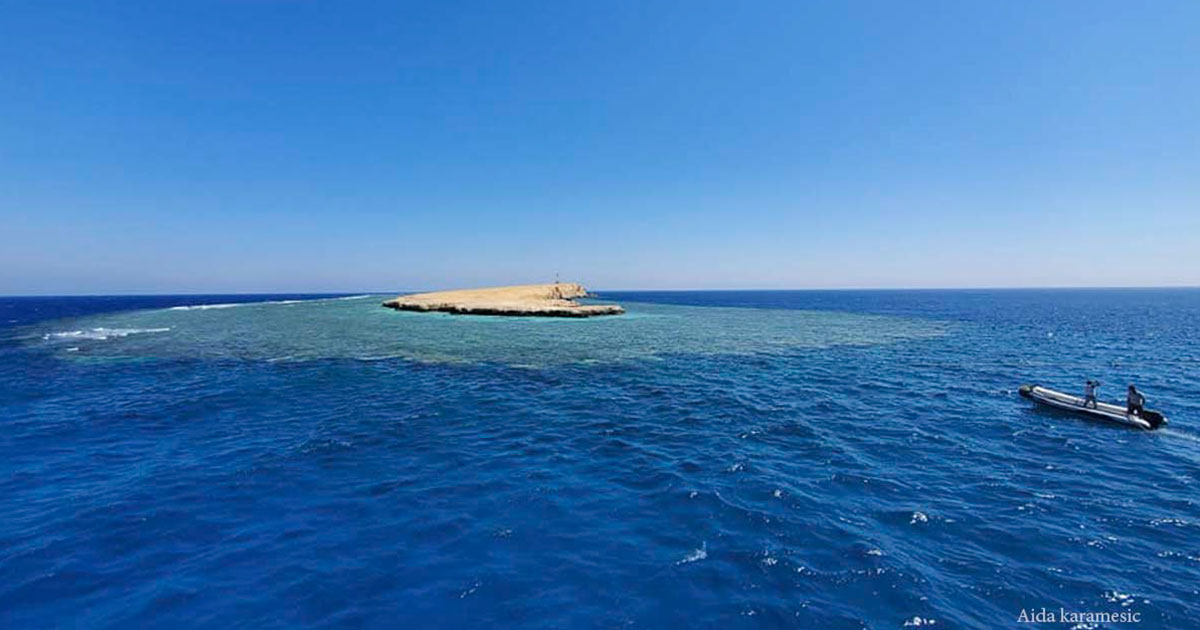
The Brothers are two small islands in the Red Sea off of Egypt’s east coast. They are considered to be Egypt’s best scuba diving area, with coral-covered seamounts and a couple of intact wrecks, surrounded by very deep water. Pelagic sharks, including Hammerheads & Oceanic Whitetips are highlights of diving at The Brothers.

Elphinstone Reef is a huge submerged plateau and a set of pinnacles at different depths. It's extremely popular with divers who want to see several species of exciting requiem sharks. Located near the coast of Marsa Alam in the southern area of Egypt's Red Sea, it's easy to get to and large enough to accommodate plenty of divers on busy days.
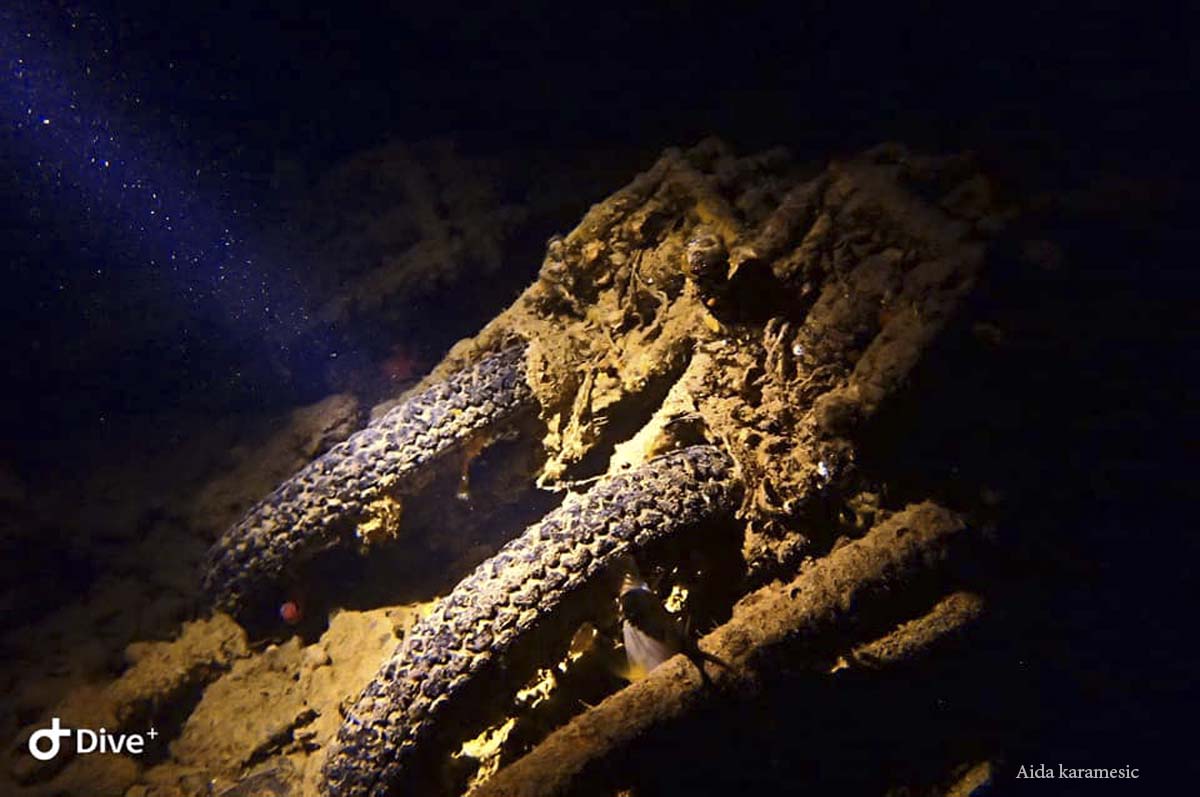
The Red Sea is famous for the number of great-quality wrecks that divers can enjoy. The most-famous diving wreck in The Red Sea is without doubt SS Thistlegorm. This was a British transport ship used in World War II and on its way to The Suez Canal when it was attacked and sunk by a German air strike in October 1941. The wreck is nearly 130 metres long but lies at a depths of only 18-32 metres. This means that it’s only for Advanced Divers and you need to spend time at depth, before a safety stop in the blue.
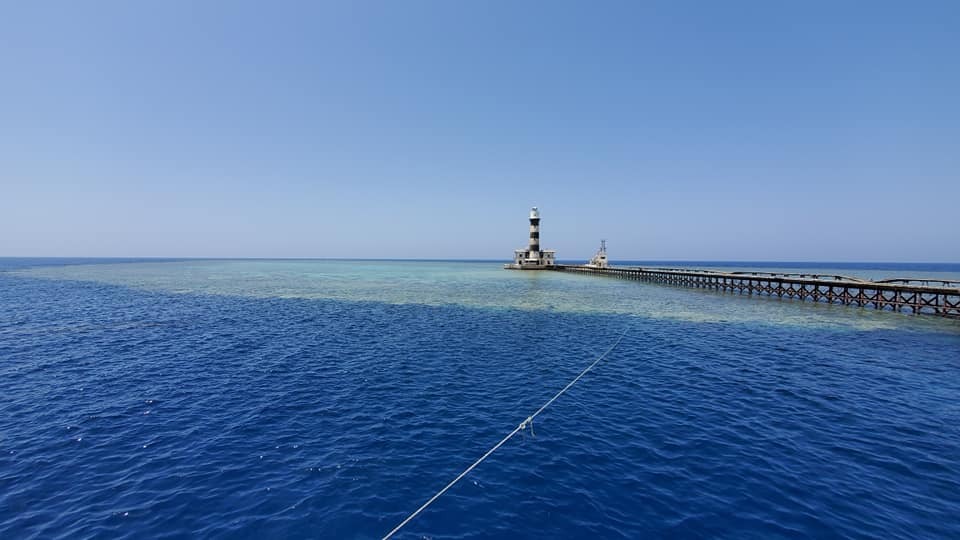
Daedalus Reef is one of the best diving sites in Egypt's Red Sea. Its remote location keeps it protected from pollution and attracts plenty of healthy marine life. Also, as part of the national marine park the reef is in great condition. It can only be dived by liveaboard cruise and divers need to be at least Advanced Open Water and able to dive in a current. The reef is surrounded by deep water and fed by north-south currents which supply lots of nutrient-rich water.
It's easily possible to dive here three times in a day without getting bored of seeing the same thing twice. This is because it's a very large dive site with lots of action, both big and small. Many species live here and plenty visit to feed. Currents can be strong, and will normally dictate your dive profile and direction, but it's also possible to hide in the eddy at the northern or southern ends of the island and wait for and watch the action.
Ras Mohamed (also referred to as Ras Mohammed) is one of the most-popular diving area's in all of The Red Sea. It's located at the very north of the sea, where it meets The Gulfs of Aqaba & Suez. There are plenty of excellent dive sites for all levels and experience. You can join by day trip, but liveaboard diving guests get to enjoy it with more freedom. It's possible to dive there all year round.
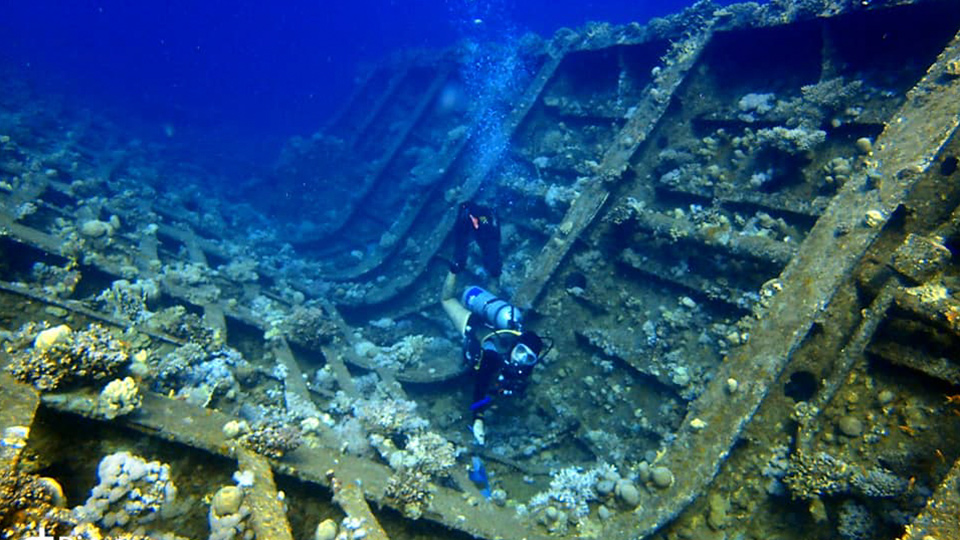
Abu Nuhas is Egypt's best area for wreck diving. There are four famous wrecks here that recreational divers can enjoy. Some day trip boats come from Hurghada and Sharm El-Sheikh but it's mostly visited by liveaboard diving safari boats. These can offer 4 dives in one day, each at a different wreck. It's possible to dive all year round, but the summer months are more popular due to water temperatures.
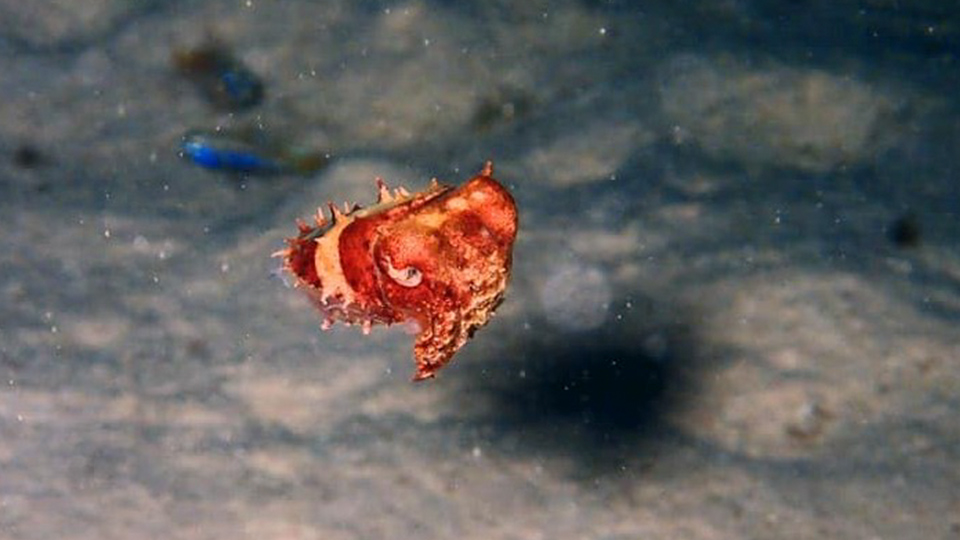
St. John's is a small archipelago and national marine park located in the deep south of Egypt's Red Sea territory. There are approximately twenty dive sites around the islands, offering a good choice of world-class diving. Only liveaboard diving safari boats visit St. John's because there are no day-trip dive centres within range. Good chance of sharks and dolphins.
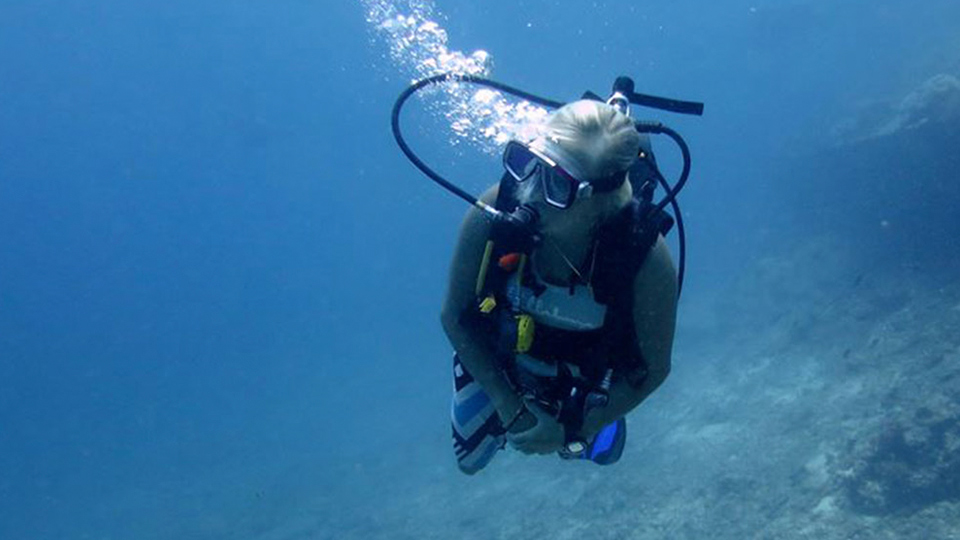
Abu Galawa Soraya is a nice dive site near to the coast in the southern area of Egypt's Red Sea. It's not deep, and the conditions are usually easy for all levels of diver. There's a small wreck there, and the visibility is excellent all year round. It's an ideal first or final dive site for Red Sea liveaboards from Marsa Alam to the deep south (St. Johns).
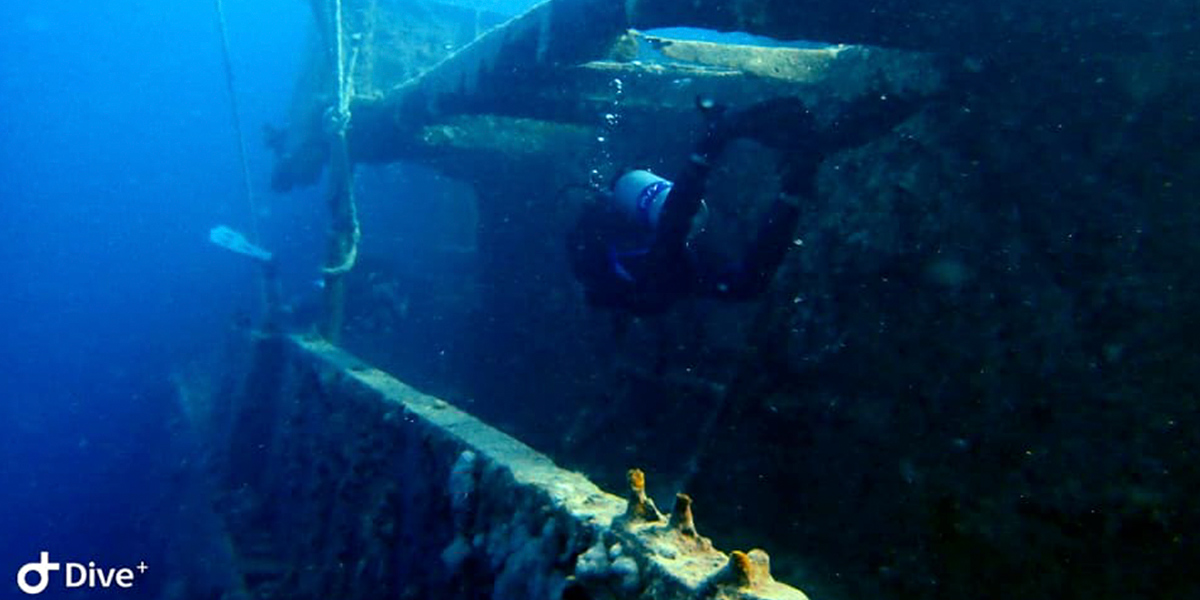
Salem Express is a world-famous diving wreck in The Red Sea just south of Hurghada in Egypt. It's a very large wreck, easily accessible by all recreational scuba divers but better suited to divers certified to 30 metres. Some people think it's wrong to dive this wreck for fun, because nearly 500 people died on their way back from Jeddah, Saudi Arabia. The disaster happened at night in December 1991.
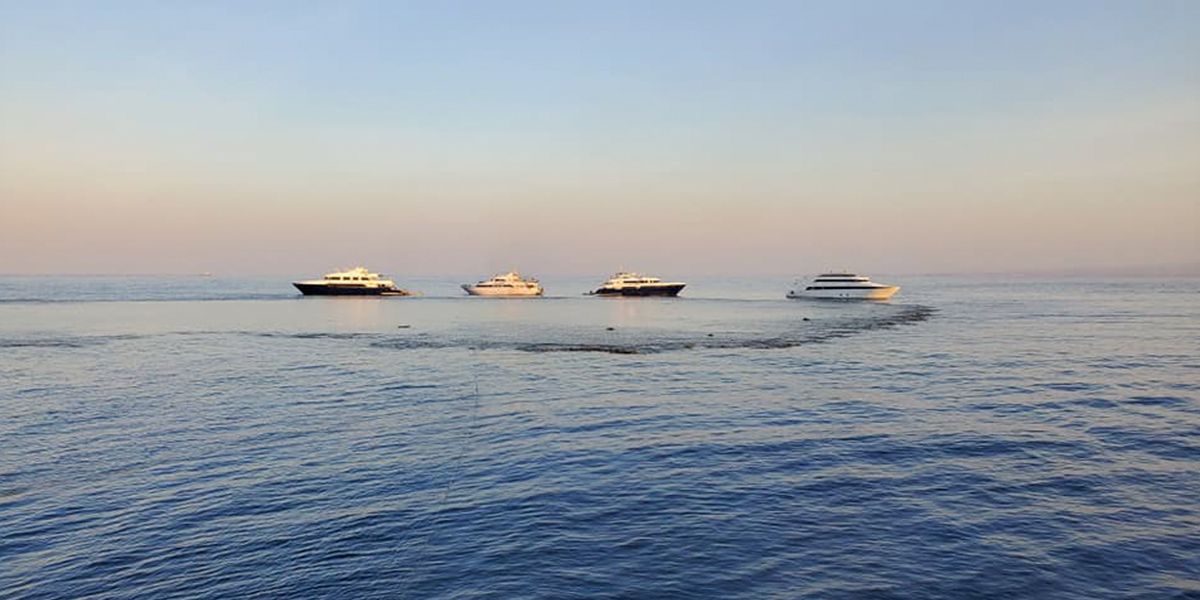
The Straits of Gubal surround Gubal Island, in the mouth of The Gulf of Suez. An important shipping lane for more than 100 years, this area is famous for exciting wrecks to dive and plenty of marine life on the wrecks and reefs. Possible to dive on a day trip, but better enjoyed on a Red Sea liveaboard safari.
Zabargad Island is in the far south of Egypt's Red Sea, near to the border with Sudan. There are some excellent dive sites in crystal-clear water. Marine life is varied and sometimes very exciting because passing pelagic sharks are always possible. And the remote location means that there are no day-trip diving boats here, and only a handful of liveaboard diving safari boats.
Rocky Island is Egypt's southernmost off-shore island, lying 60 kilometres out in The Red Sea. Crystal-clear water & healthy coral reefs ensure high chances of seeing some wonderful marine life of all shapes & sizes. This island is part of 'Deep South' itineraries which also visit Zabargad & St. John's. Currents can be strong, and there's no wreck here, but the diving is world-class.
Other Wrecks & Areas
The choice of wrecks in Egypt’s Red Sea is too large to explain in detail on one page. We have discussed the most popular and exciting, but the list really could be more than twice as long. We are constanty updating and expanding this page, especially for the following wrecks.
| Wreck Name | Location |
| Rosalie Moeller | Gubal |
| Ghiannis D | Abu Nuhas |
| Carnatic | Abu Nuhas |
| Chrisoula K | Abu Nuhas |
| Kimon M | Abu Nuhas |
| The Ulysses | Gubal |
| Salem Express | Safaga |
| Dunraven | Gubal |
| Kingston | Gubal |
Red Sea Marine Life
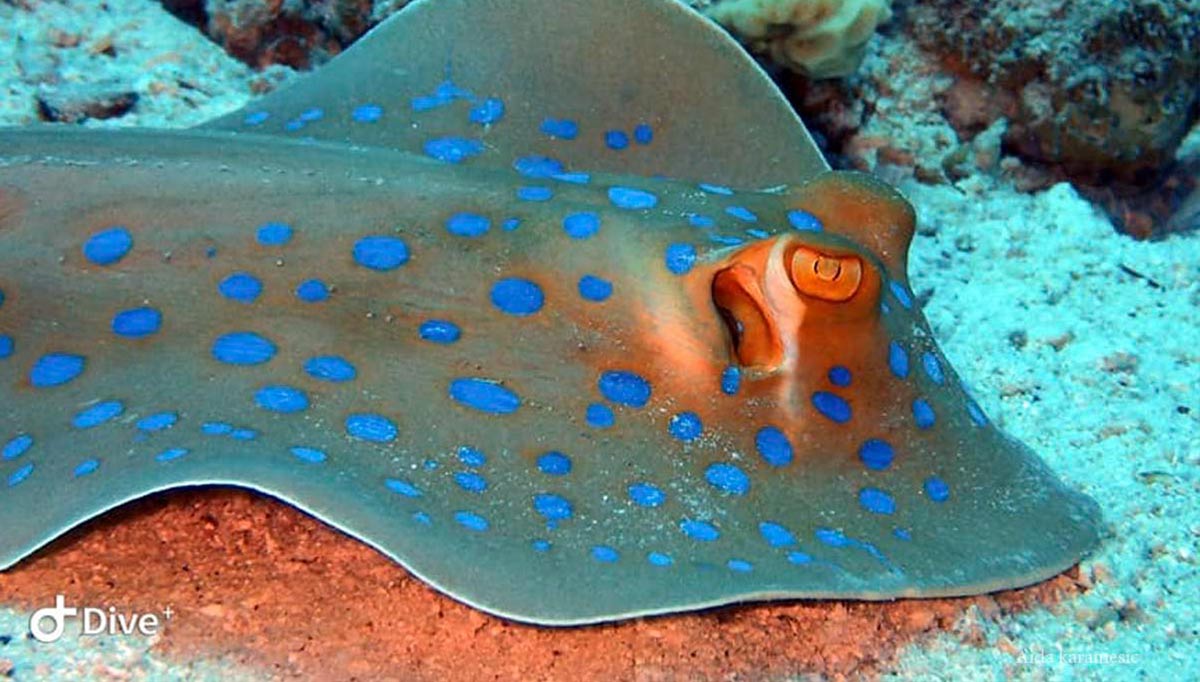
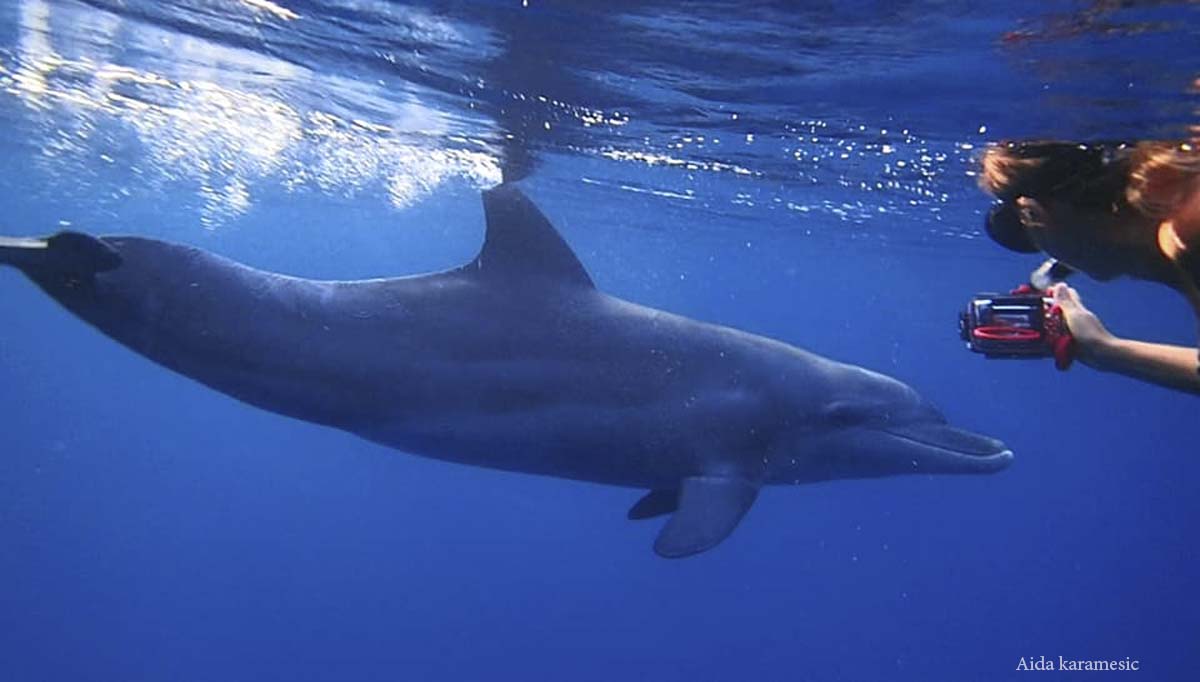
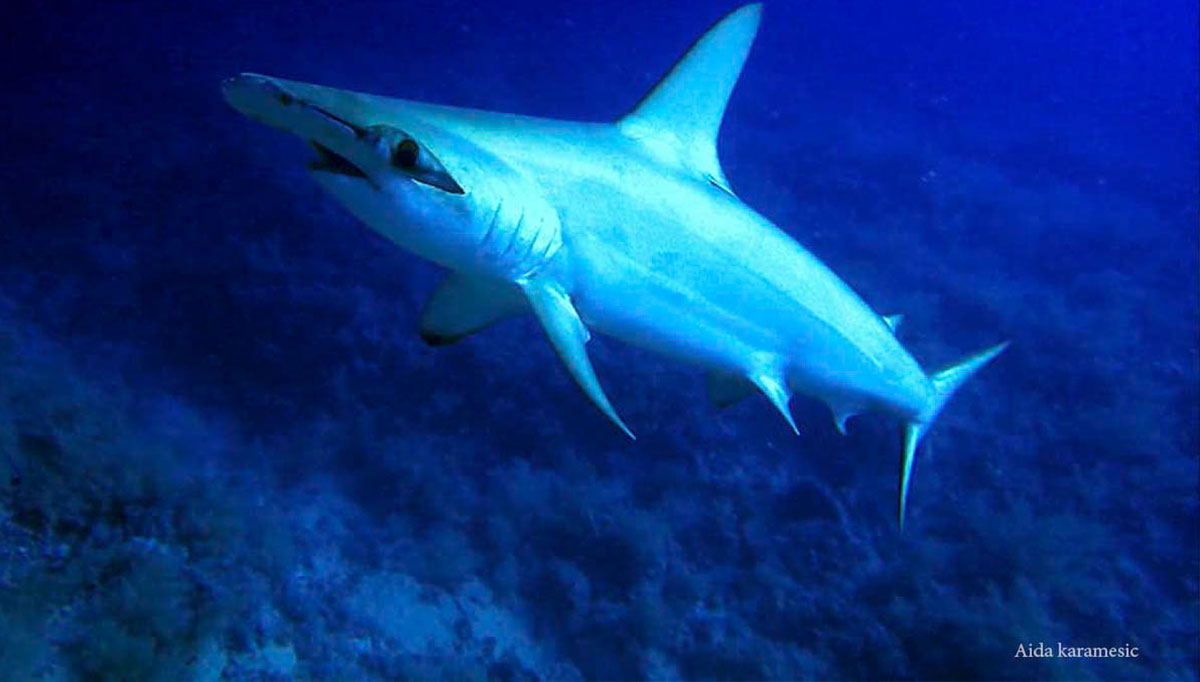
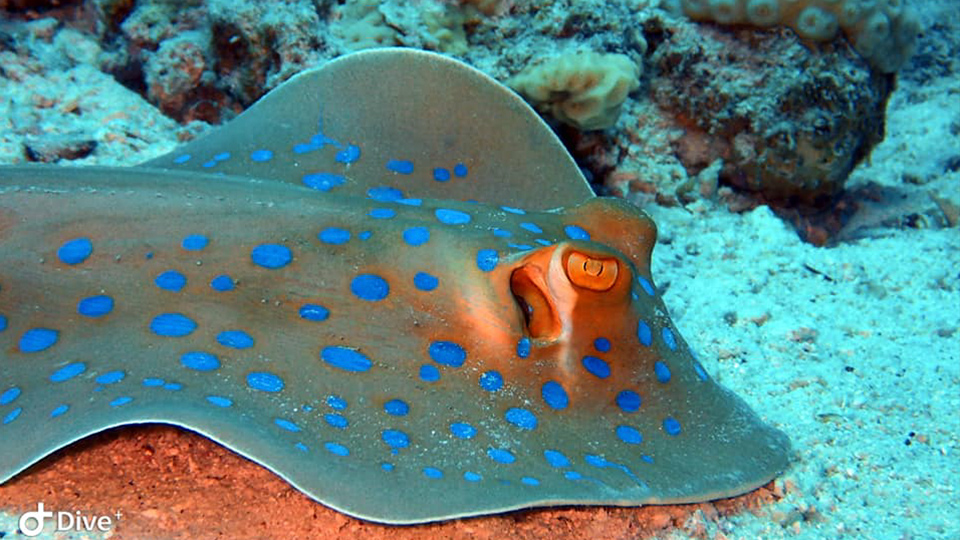
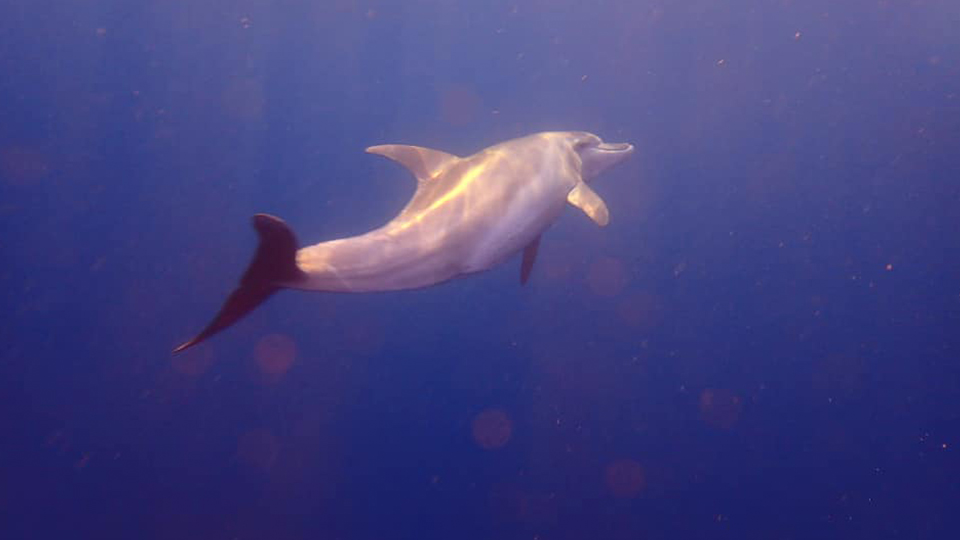
The marine life in Egypt’s Red Sea is what most divers come to see. Yes, there are more diving wrecks in the area than anywhere else in the world, but the marine life brings colour, and something unexpected or not guaranteed. Although the openings at its southern and northern ends are narrow, the Red Sea is huge and the marine life is healthy, diverse and plentiful. The sea is healthy and the visibility excellent in most diving areas.
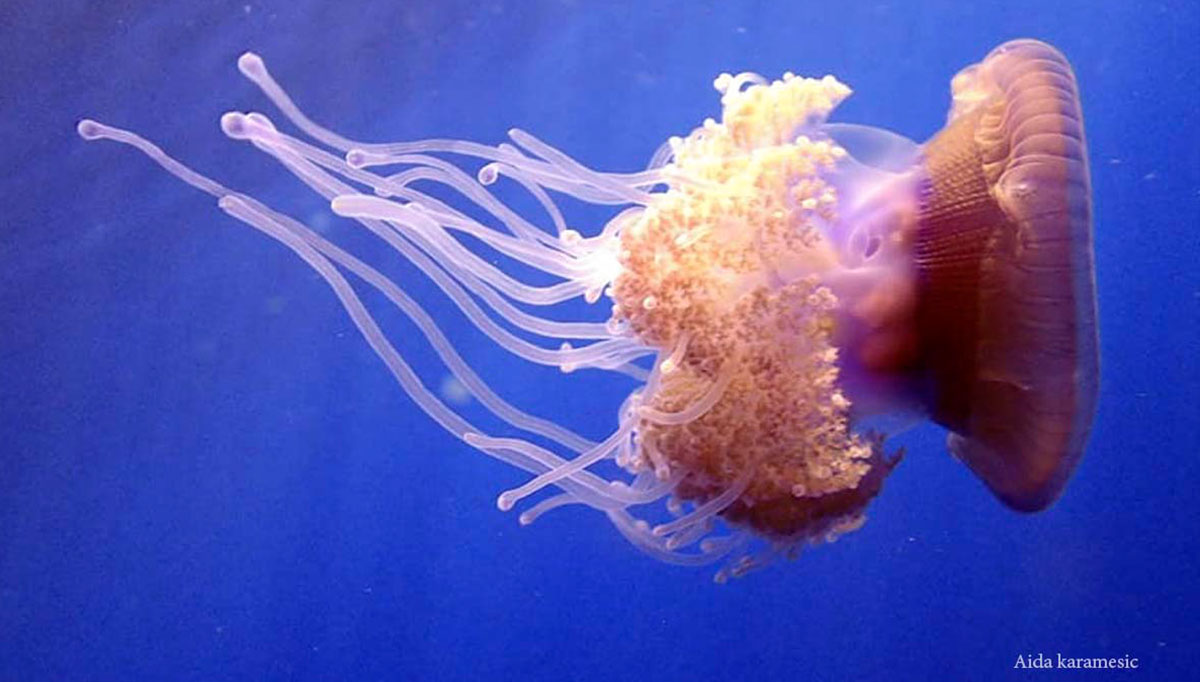
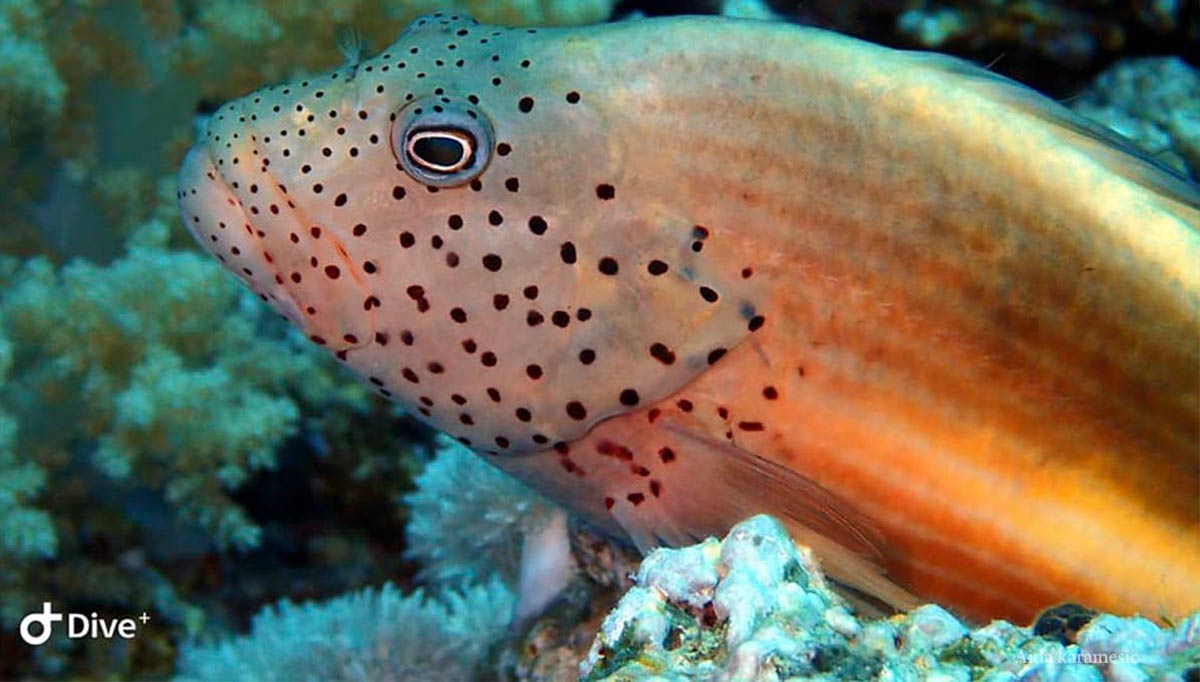
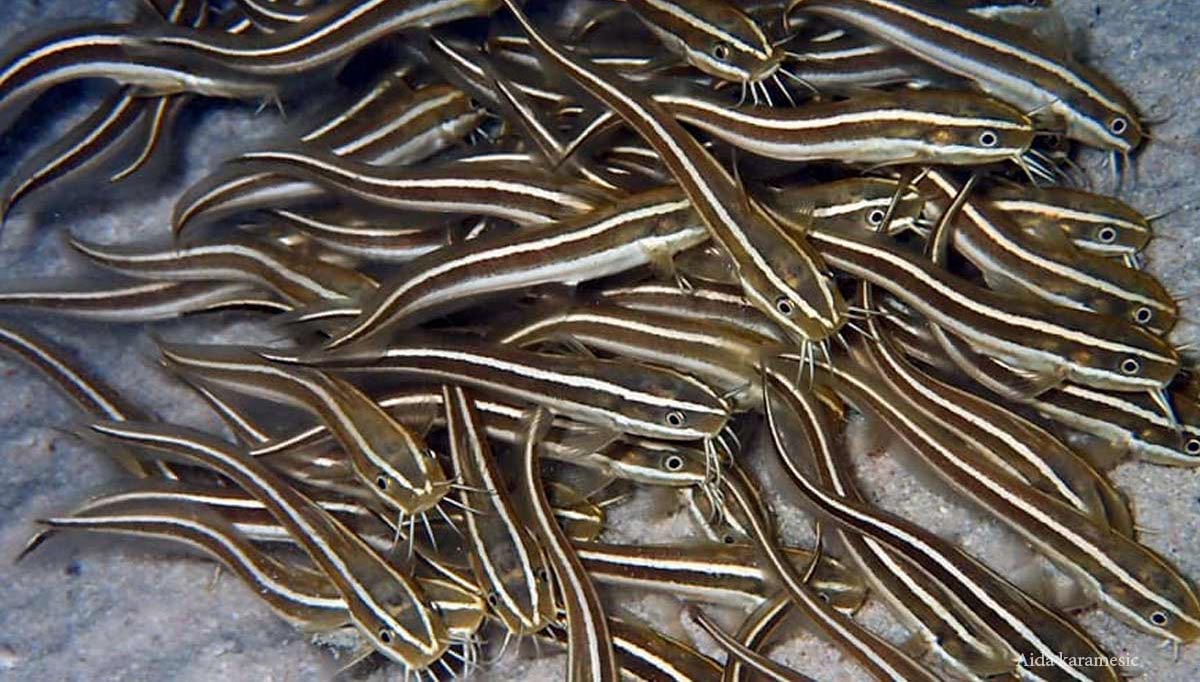
Most divers come in the hope of seeing some special shark species, such as Hammerheads or Oceanic Whitetips. And there are several other species, including Silvertip Sharks, Mako Sharks, Grey Reef Sharks, Bull Sharks, Silky Sharks, and even the occasional Whale Shark. But it’s not all about sharks, because there is an endless list of other species that divers enjoy seeing and photographing. These include invertebrates, bony fish, reptiles and hard & soft corals.
Regulations & Fees
Like most national marine parks around the world, the local authorities control the number and the quality of visitors. They do this to protect the environment from human impact by policing the area against illegal fishing, damage to the reefs by anchors or unqualified divers, and anything else that could affect the fragile ecosystem. Limiting the numbers and controlling the visitors to a national marine park helps to protect the area, and assures better diving conditions for those who visit. To scuba dive in the Red Sea on a liveaboard, each diving guest needs to pay a fee, have a minimum amount of logged dives before arrival, and provide a copy of the main page of their passport.
Fees: Red Sea port and marine park fees depend on the areas to visit and the harbour(s) used by the boat. The port fees are usually €25/person, and the marine park fees vary from €70 to more than €150. This money is used by the local authorities to pay the salaries and other costs for the park rangers to guard the area by boat.
Minimum Dives: Egyptian law states that in some areas a minimum number of logged dives is required for each diver on board. Some boats strictly enforce this rule and even increase this number for some of their cruises. Day-trip diving in some areas and diving from some liveaboards doesn’t require the minimum number of logged dives. In addition, it’s common for Red Sea liveaboard divers to be certified to 30 metres (99 feet) and be comfortable with drift dives in a mild or medium current. In any case, most diving guests who are prepared to commit to one-week diving from a liveaboard are already experienced divers, and already meet the required experience levels.
Passport: In order to process the necessary documents before your arrival, every guest needs to provide a good clear scan of the main page of their passport at least two weeks before departure. This enables the operator to give a list of passengers for each trip to the local authorities. This is common practice in many countries’ national marine parks.
National Marine Parks: A general guide for the national marine parks in the Egyptian Red Sea is as follows.
| Marine Park | Dive Site(s) |
| Al Akhawein | Brothers |
| Abu Kizan | Daedalus Reef |
| Zabargad Island | Kanka Wreck |
| Rocky Island | Maiden Wreck |
| Ras Mohammed | Shrak Ref, Yolanda Reef, Jackfish Alley, Anemone City |
| Giftun Islands, Hurghada | Turtle Bay, El Aruk |
Logistics
Liveaboard diving cruises go to locations further out at sea than day trip diving boats. And most of them depart from medium & large harbours, ports and marinas that are often not near tourist hotspots, lots of hotels or the nearest airport. If you go day trip or shore diving in Egypt, the quality of diving isn’t as good as on a liveaboard cruise, but the travel times before and after are often much shorter. It’s an unavoidable fact that joining a scuba liveaboard cruise requires planning and some travel on land before boarding the boat. Also, due to the cost of boat fuel, transporting guests & supplies by land is more economical than by boat. Therefore, the boats are often moored at locations as near as possible to the diving areas, but this is often not near hotels or airports. For Red Sea diving liveaboards this is no different. Not only is it important to check the departure and return location of any liveaboard cruise you’re interested in, it’s vital to check when you book it and even expect that to change from time to time.
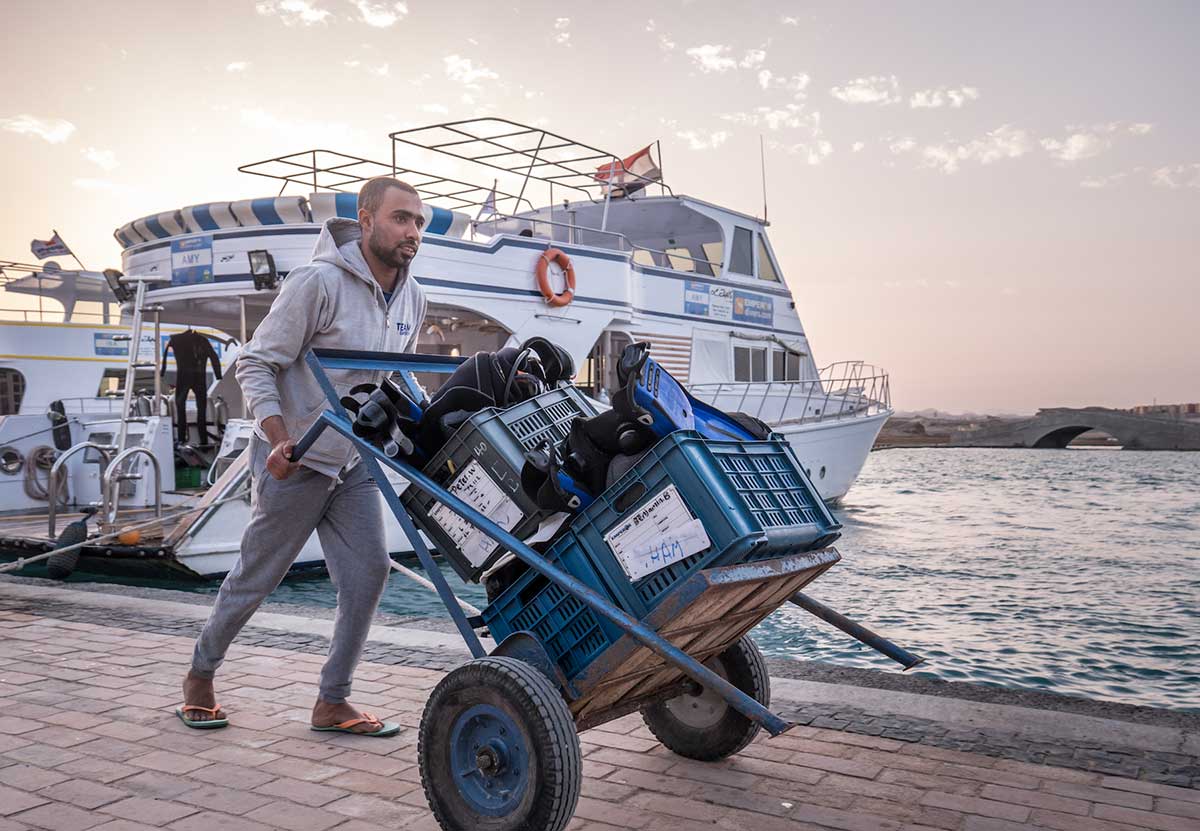
- Sharm El-Sheikh: Red Sea liveaboards in Egypt sail from and return to several different ports & harbours. While Egypt’s most-popular diving destination is Shark El-Sheikh, this is not the most-popular Red Sea liveaboard departure port for week-long trips. It’s is more of a tourist hot spot with plenty of diving opportunities, especially to Ras Mohamed and Tiran. Although it's more suited to day trip diving several Red Sea diving liveaboards sail from Sharm El-Sheikh. These liveaboards usually offer shorter trips than 7 days and nights, and can therefore better fit a vacation that also includes some shopping, sightseeing and relaxing on the beach.
- Most-Common Ports: Without doubt, the two most-common harbours used for Red Sea diving liveaboard cruises are Hurghada and Marsa Alam. Actually, most trips to or from Marsa Alam actually use Port Ghalib, which is a huge man-made complex that covers 18km. of desert coastline. There is an international airport at both Hurghada and at Port Ghalib, meaning that arriving to board your liveaboard in Egypt doesn’t require landing in Cairo or Sharm El-Sheikh. Most of our liveaboard operators offer free scheduled transfers from either airport or from hotels nearby. However, it’s worth booking a flight to the airport nearer to the departure/return port to minimise road travel, even if it’s provided for free. For example, Hurghada Airport to Port Ghalib is 2.5 hours by road, but the journey from Marsa Alam Airport is just 15 minutes. Likewise, Marsa Alam Airport to the harbour in Hurghada Port takes almost three hours.
- Safaga: Finally, among other rarely-used ports for Red Sea liveaboard diving cruises, Safaga is halfway between Hurghada and Port Ghalib, on the east coast. Very few boats use this port, but a few do. As previously mentioned, occasionally the boat operators need to change the departure or return port for one of several reasons. In such cases, they transfer guests for free, but of course, these journey times are longer than guests had planned for.
Group Sizes
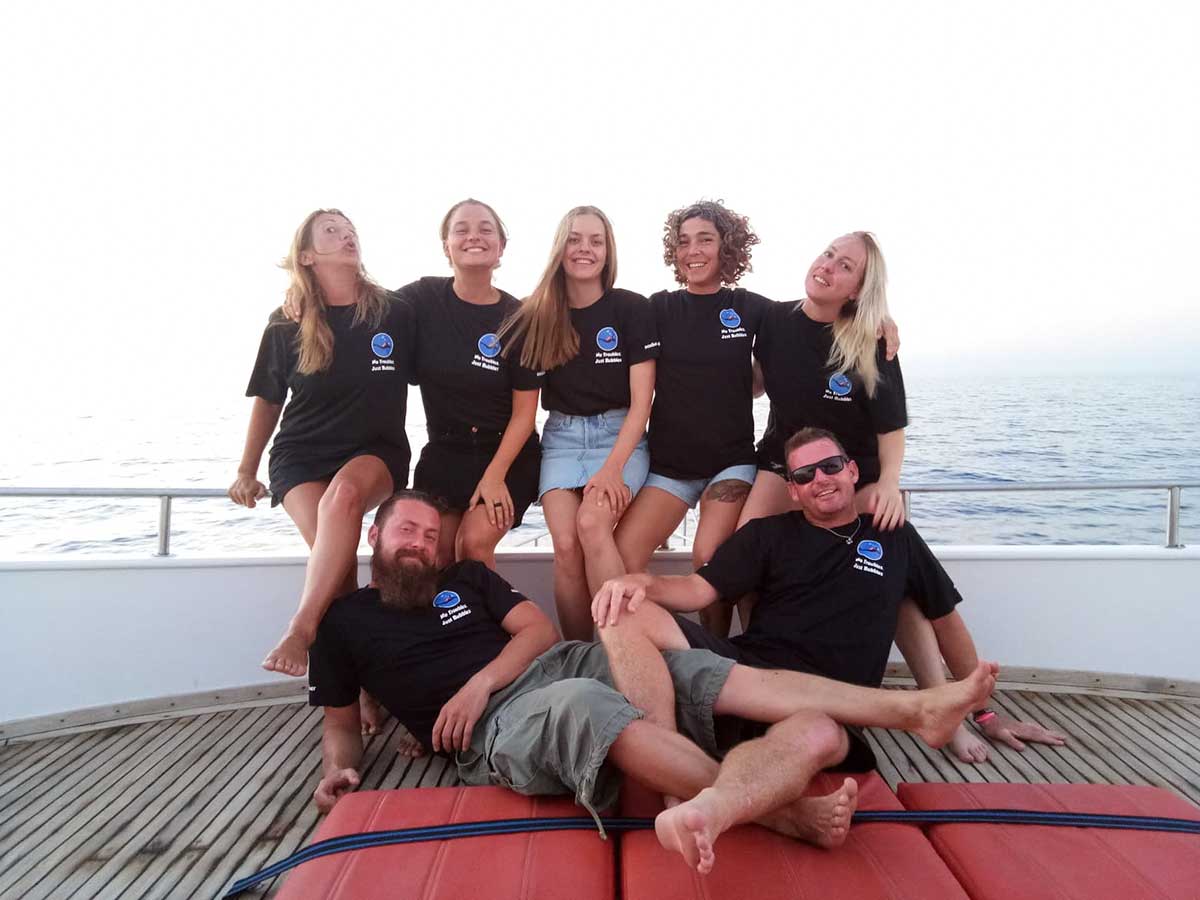
Unlike some liveaboard diving cruises in Asia, such as Thailand and Indonesia where each Divemaster guide will lead up to four or five guests, Egypt liveaboards have larger groups of divers, and therefore fewer dive staff. The water clarity gives more than 30 metres visibility at times, so diving in larger groups is fine because with such good visibility the group can spread out and still be within sight. Normally, the divers are Advanced Open Water or more experienced, so the maximum diving depth isn’t an issue. However, in cases when one or two divers are heavy on-air (maybe due to body size or limited experience), this can lead to the whole group having to surface earlier than some might want to. In an ideal world, the divers who need to end their dive early can be sent to the surface in a buddy pair while the rest of the group continues diving. But in reality if divers are ending early, then they are most likely inexperienced, and shouldn’t be sent to the surface without staff. Normally, after the first one or two dives of each cruise, the trip leader and dive staff have a pretty good idea of who’s good on-air, who’s not so good, and who can be trusted to continue diving or be sent to the surface without a guide.
Red Sea Liveaboard Full-Charter Bookings
Chartering the whole boat for a Red Sea diving cruise is very popular, easy and great value. Many dive clubs from around the world choose to dive in Egypt’s Red Sea due to the convenient logistics, great value, and wonderful diving. The liveaboard boats tend to stay away from the crowds where inexperienced divers bang around the reef or learn to dive at Sharm El-Sheikh. Dive clubs and groups can enjoy diving cruises that suit their needs and experience levels. And because most Egypt liveaboards are designed to take 18-24 divers, it’s easy enough for a dive club to attract enough members who are willing & able to join. Finally, the majority of guest cabins on Red Sea liveaboards are twin beds, making it easier for friends to join. However, each boat has some double cabins.
How to Choose the Best Egypt Red Sea Liveaboard
Choosing the best Red Sea diving liveaboard cruise is a lot easier than you may think. You can use our date search & filter feature, or just get in touch with us and ask for a little help & advice. In fact, the selection of boats is always growing, and there’s nearly always a boat that we’re in the process of putting on these pages but haven’t completed yet. That boat may just be the perfect choice for you, so don’t be shy to ask. And finally, you may have seen a boat on another website but you prefer to book through us for the personal service, free gifts, best prices & booking terms. If you have, just let us know and we can normally book that for you, and at the same time, we will add the new boat to our collection. You’re actually doing us a favour!