Liveaboard Diving in Thailand
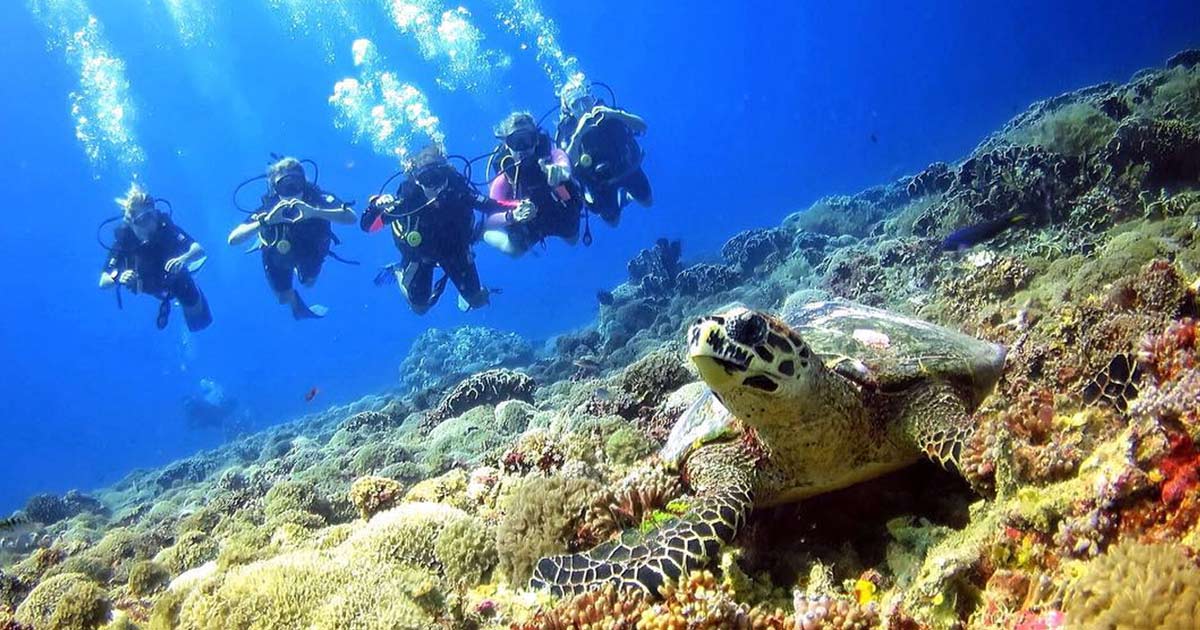
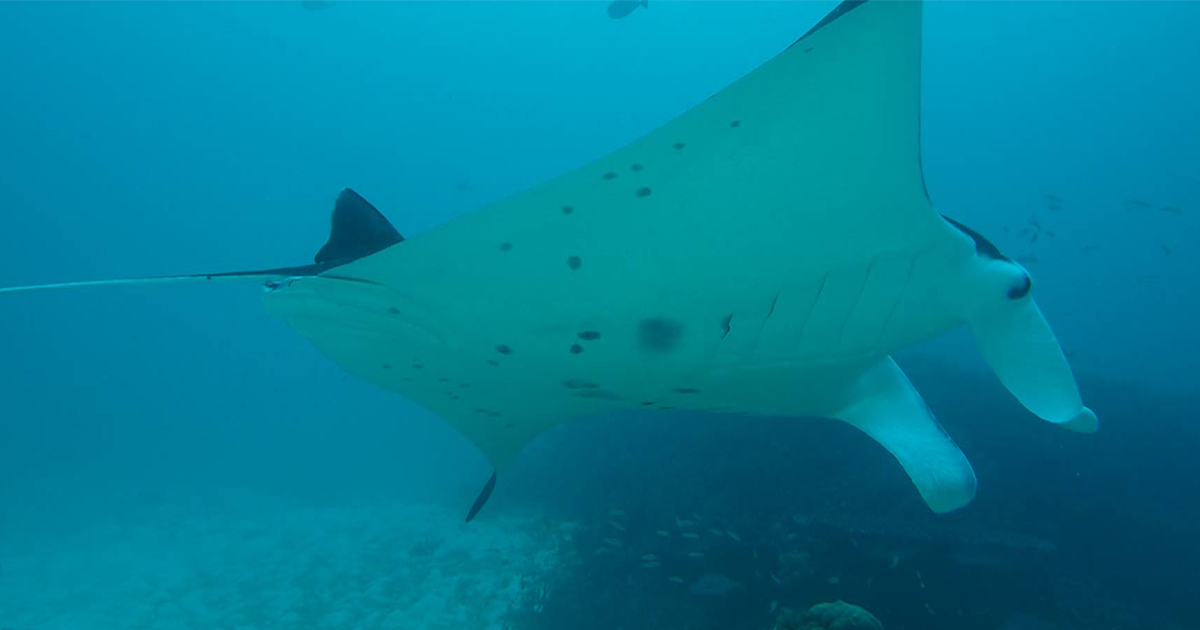
Liveaboard diving in Thailand can be fantastic as the West Coast of Thailand joins the Andaman Sea, which soon becomes The Bay of Bengal and The Indian Ocean. For this reason alone, the coastal seas are clearer and cleaner than the Gulf of Thailand. Thailand’s west coast is home to the world-famous islands of Phuket, Phi Phi and Similan Islands which can be great for liveaboard dive trips. There are hundreds of kilometres of coastline from the border with Myanmar in the north and Malaysia in the south. Pristine beaches, tropical paradise islands, and coral reefs are very much the norm all along this western coast. Because of this, tourists come from all over the world to enjoy sunsets over the sea’s horizon, and activities in the sea and on beaches. And on Thailand’s west coast is where the scuba diving is best as here you will find some of the best dive sites in the world. This is mainly due to the life and habitats underwater being better thanks to The Indian Ocean providing a constant supply of food and more. Unlike in The Gulf of Thailand, where circulating currents keep most of the water & species in the same area, the west coast is fed & cleaned by a vast amount of water. Therefore, not only is the water clearer, but it is also common for large pelagic species to visit. Whale Sharks and Manta Rays are the most popular species to hope to see when scuba diving in Thailand, but there are many more exciting fish, reptiles and invertebrates. The west coast of Thailand has several areas to enjoy some fantastic scuba diving, some of which are in tourist hotspots. Visitors need to decide what they want from a scuba diving holiday in Thailand, and there’s always a sacrifice to be made. Choosing the best dive sites may involve having to sleep on a diving liveaboard boat or travelling far out to sea. Although there are many great dive sites near to land which can be visited on day trips, these may be crowded with other divers, or not offer the chances to see something special. Then of course there’s the financial cost to think about. Choosing the right part of Thailand is just the start of planning your diving holiday.
Diving Areas on southern Thailand’s West Coast

Dive Sites in Thailand
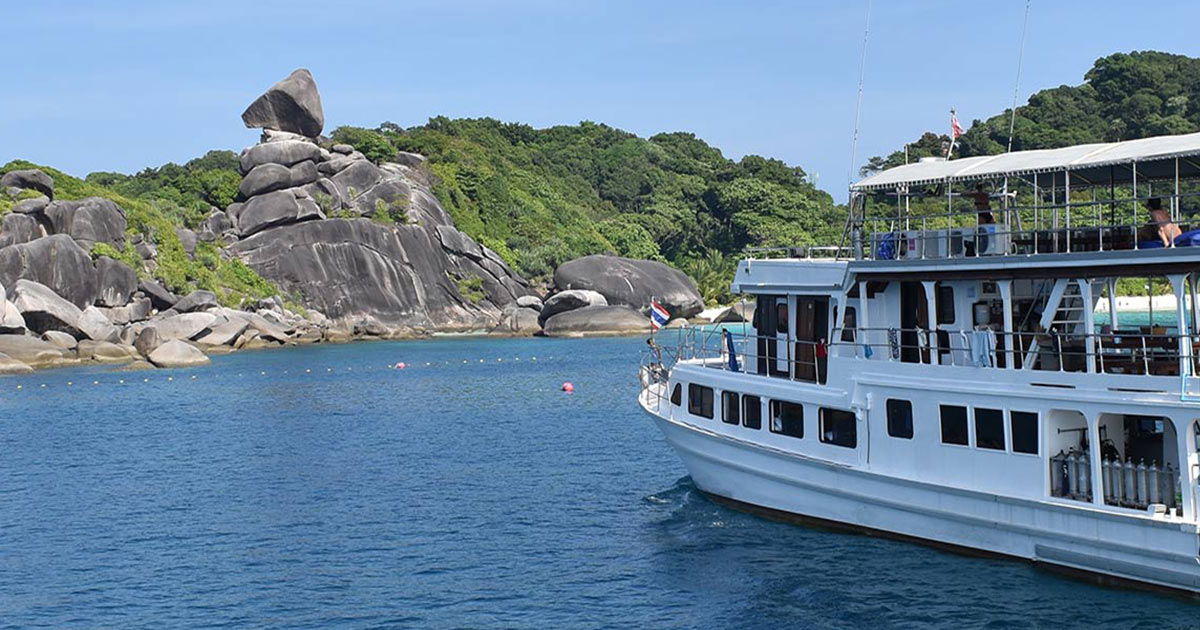
The Similan Islands is a small and remote archipelago 60km off the west coast of Thailand, not far from the border with Burma (Myanmar). It is by far the best place for scuba diving in Thailand, and many regard it as among the best in the world. This is reinforced by the large number of dive sites that can be enjoyed by all levels of scuba diver, and reached by both day trips and liveaboard diving safari cruises.
Without doubt, Richelieu Rock is the best diving site in Thailand. Ever since Jacques Cousteau first discovered this underwater pinnacle several decades ago divers from all around the world have agreed that there is no better dive site in the Kingdom. While some local diving professionals have a soft spot for Koh Tachai or Hin Daeng, the general consensus is that Richelieu Rock has just too much good stuff on any given day to be knocked off of its throne.
It’s impossible to say which one thing (be it a dive site, a car, a cell phone, or anything) is ‘the Best’ because everyone is unique in their needs & tastes. While Richelieu Rock is regarded as the ‘Best Dive Site in Thailand’ it is far from perfect for many divers. Some don’t like its remote location or the fact that is in open sea and there’s nothing above the water’s surface to look at or to absorb wind & waves.
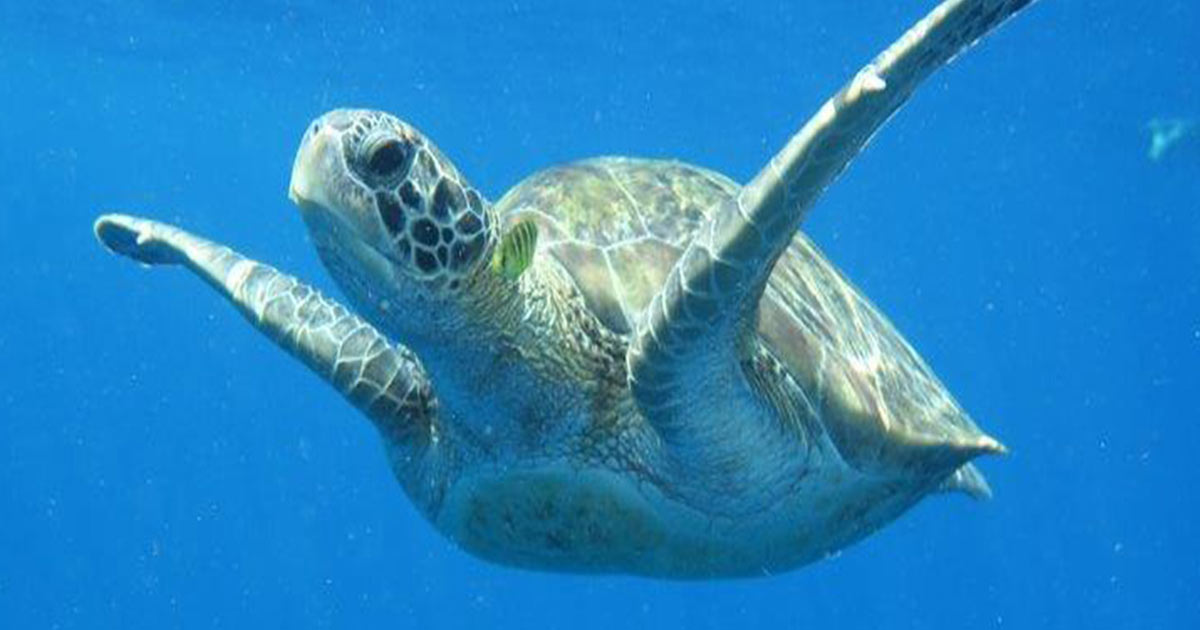
Koh Tachai is located at the northern end of Mu Koh Similan National Marine Park and is home to one of Thailand’s most beautiful beaches and underwater oases. It is world-famous among scuba divers, who come to enjoy the topography and marine life. Although Richelieu Rock is the most famous dive site in Thailand, Koh Tachai is a favourite among many scuba diving professionals. There are plenty of wonderful experiences to enjoy here, but it is also important to know the few dangers and disadvantages of scuba diving at Koh Tachai.

Located just 10 km. from the maritime border with Burma (Myanmar) and 60 km. from Thailand's mainland, the Surin Islands are beautiful above and below the surface. The only inhabitants are a group of Moken sea gypsies, who inhabit the beach in an eastern-facing bay on the southern main island. With clear and shallow water all around the Surin Islands, it's excellent for snorkelling and most of the visitors are snorkellers. There are several dive sites around the Surin Islands, but not more than six or seven. Technically, Richelieu Rock is part of The Surin National Marine Park, but divers who go to Richelieu Rock either just go there for a day trip, or as part of a liveaboard cruise that includes Koh Tachai, Koh Bon and maybe the Similan Islands.
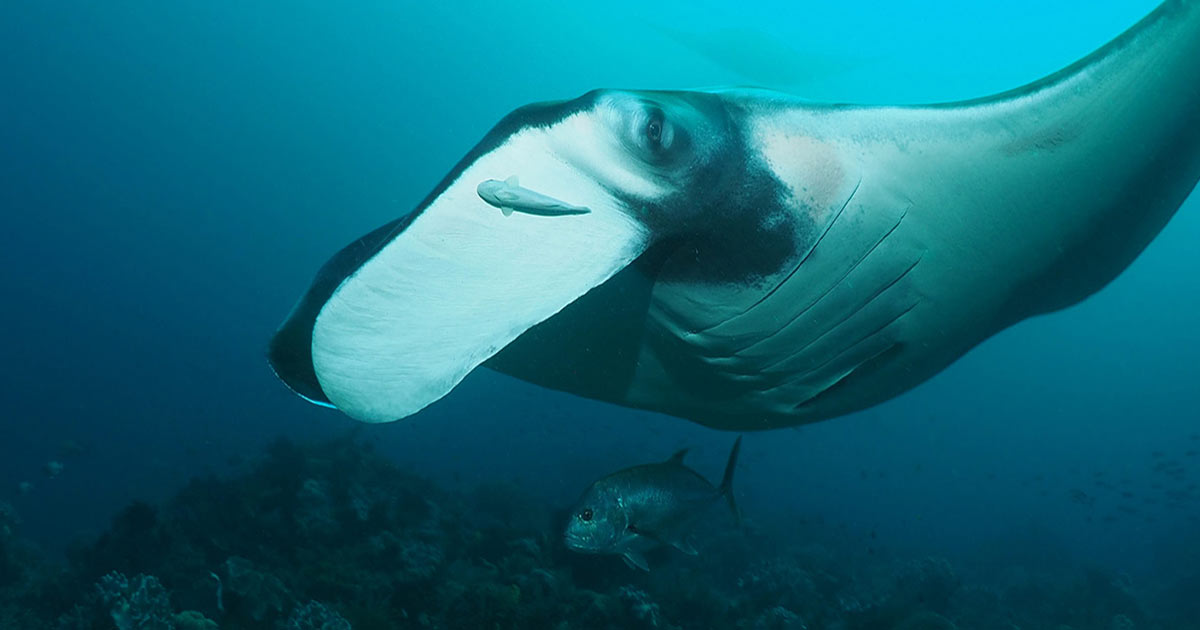
Hin Daeng (Red Rock in the local language) is one of the best diving sites in Thailand. It’s not suitable for new or inexperienced divers. Those who dive at Hin Daeng are guaranteed a wonderful experience and may see something special such as a Manta Ray or Whale Shark. The location is what makes Hin Daeng special.
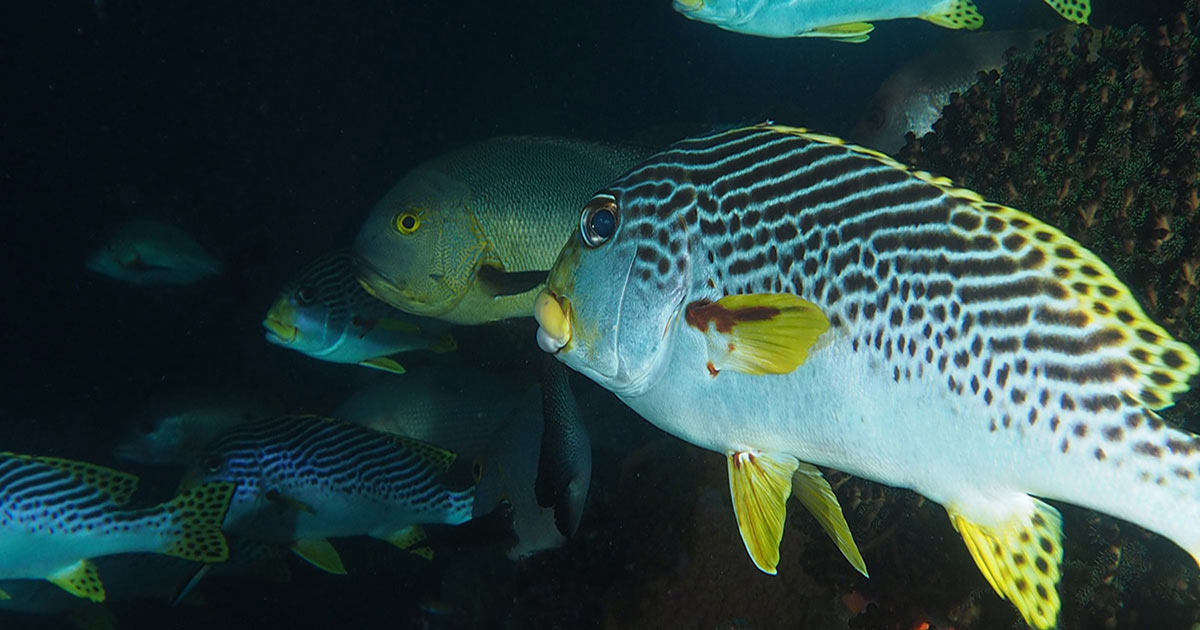
One of the best dive sites in Thailand is Hin Muang (Purple Rock) that's right next to Hin Daeng (Red Rock). The two dive sites are individual pinnacles in Thailand's southern Andaman Sea. The top of Hin Muang breaks the surface of the sea during low tide, but only just. Surrounded by clear deep water that brings up nutrients, the resident marine life is diverse, healthy & abundant. This attracts pelagic visitors, many of which are large and special. Located far from the mainland or any other islands, it is prone to rough seas and currents. Therefore, Hin Muang is not suitable for new or inexperienced divers. And those who are only certified to 18 metres will miss out on lots of life down deep. Maximum depths at Hin Muang can reach 70 metres, but of course, divers need to stay within the limits of their certification.
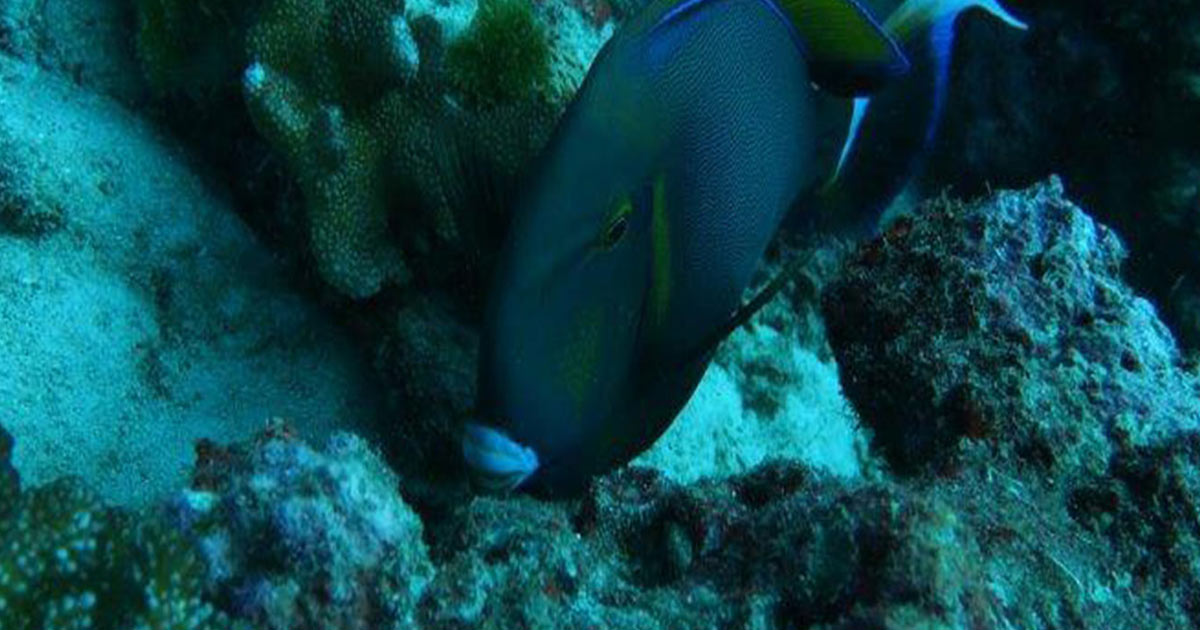
Boonsung Wreck (also known as Bangsak Wreck) is the most-popular wreck near to Khao Lak, in southern Thailand's Andaman Sea. Its location means that day trip boats can visit for easy two-dive trips, and diving liveaboards often stop off at Boonsung on the final day of their trips. The visibility is limited, but the marine life is plentiful and diverse. The depth is 18-20 metres, with nothing to see above the wreck, therefore your dive profile will be affected. The main attraction of Boonsung Wreck is not the structure, but the huge amount of marine life, which includes Moray Eels, puffer & porcupine fish, scorpion & stonefish, invertebrates, and huge schools of juvenile reef fish.
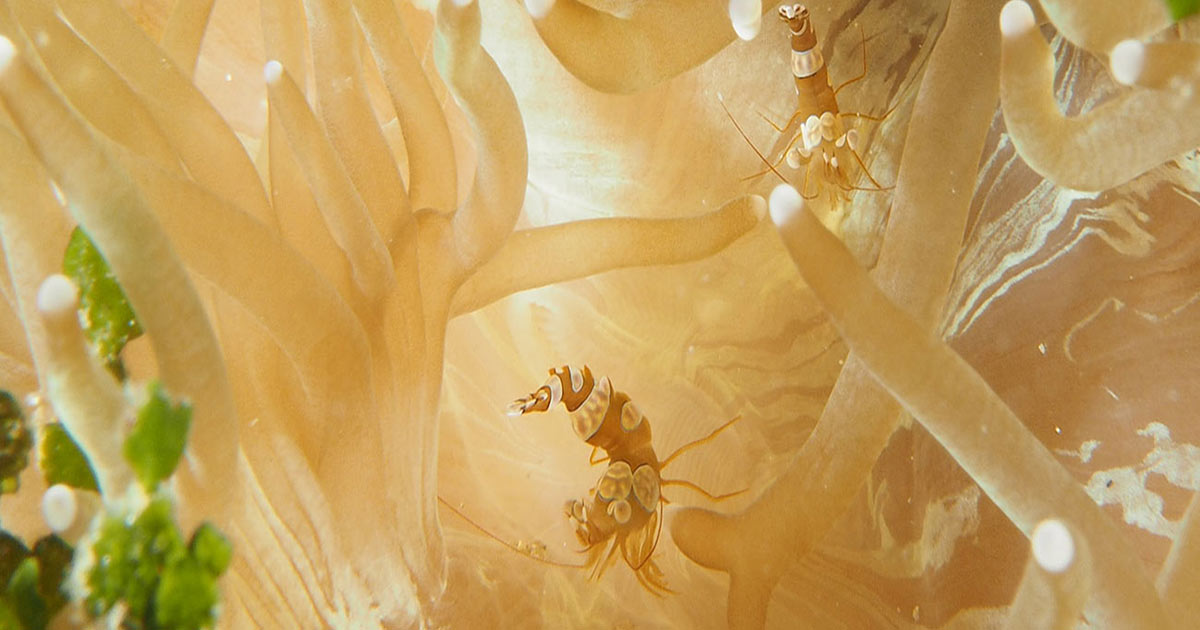
Koh Haa is Thailand's hidden gem! Although it's not far from Koh Phi Phi and Phuket, many people have never heard of it. It's a group of five small uninhabited islands that offer excellent scuba diving and snorkelling. You can learn to dive there, extend your certification or experience, and even professional divers can really enjoy the wonderful dive sites. Even snorkellers can spend all day there. There's healthy and colourful marine life from the surface all the way down to the sandy seabed, and because it's far away from land, large pelagic species visit from time to time.
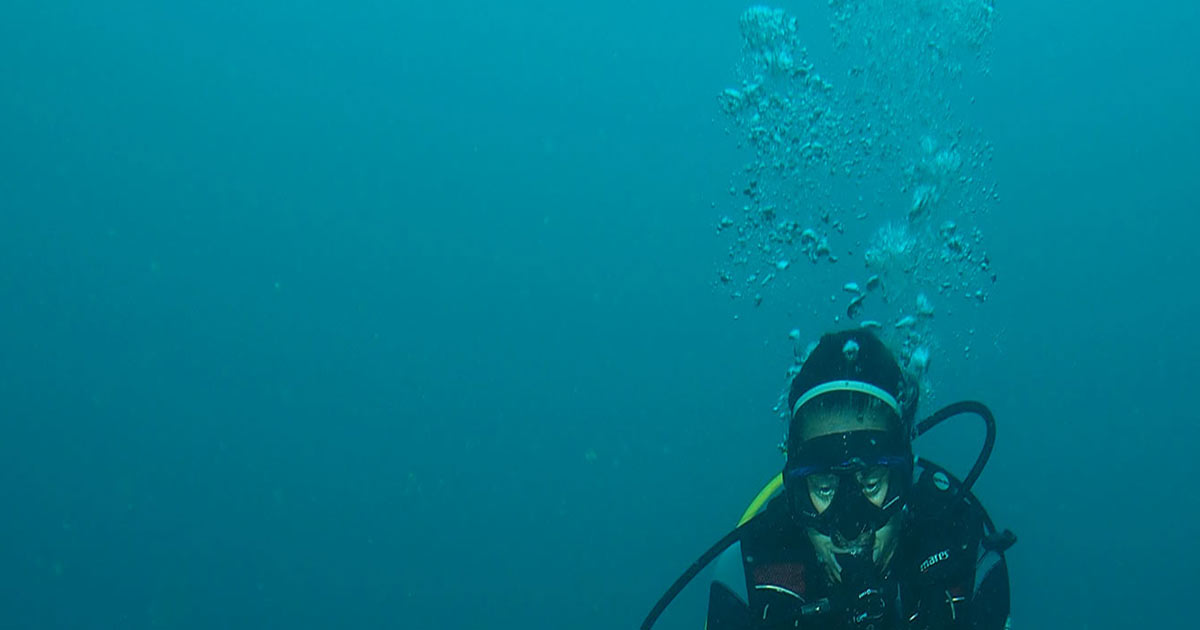
Phuket is a world-famous resort island in the south of Thailand. Visitors can take part in many activities, many of which involve the sea. Scuba diving in Phuket is enjoyed by hundreds of thousands tourists each year, and it’s possible to dive in Phuket all year round. It is generally agreed that the best diving in Thailand is on the country’s west coast, just north and south of Phuket. Therefore, with an international airport and millions of tourists arriving each year, Phuket has a well-established scuba diving industry. Phuket is surrounded by plenty of dive sites, suitable for a range of scuba diving levels. On the west coast, the dive sites are quite shallow and easy. To the south of Phuket, there are two islands (Racha/Raya Yai & Noi). Then to the east of Phuket are the most popular dive sites, including Kong Cruiser Wreck, Shark Point & Anemone Reef.
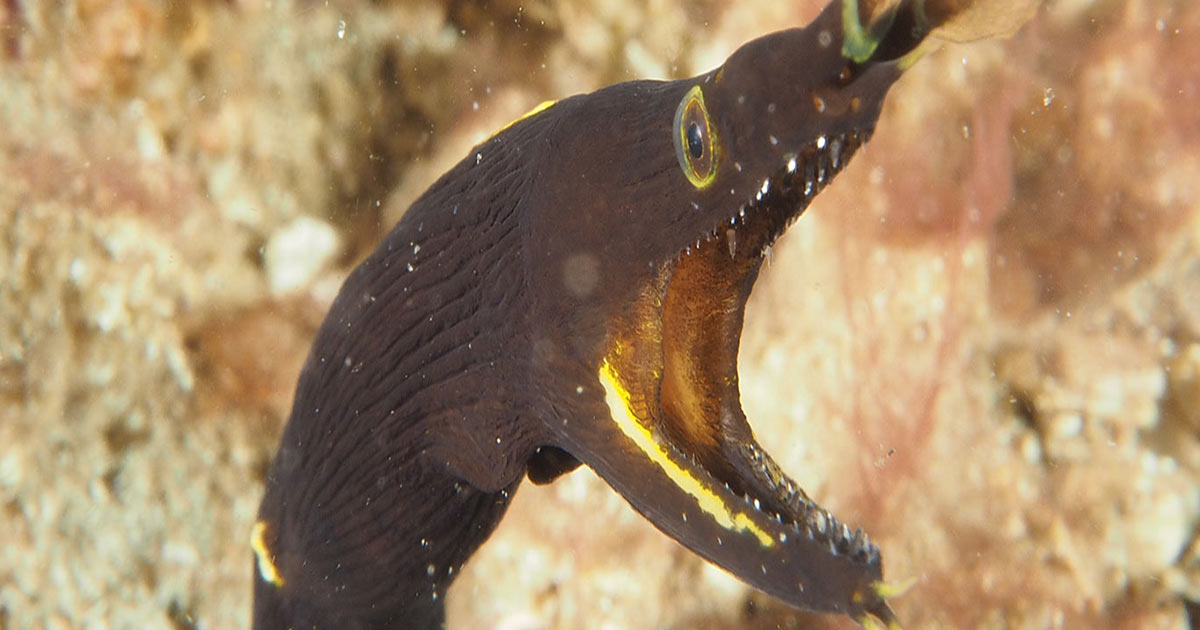
Made famous by the Hollywood blockbuster, The Beach, Koh Phi Phi is hugely popular among tourists in Thailand. The island was chosen for its natural beauty above the water's surface, but under the waves, things are just as wonderful. With more than ten dive sites around its two main islands, Koh Phi Phi is a divers' delight. It's possible to learn to dive there, do an extra course, and for experienced and even professional divers to enjoy. There's plenty of accommodation on the island, and parties every night. But the best way to dive at Koh Phi Phi is on a liveaboard cruise from Phuket.
 Khao Lak is a seaside resort town in Phang Nga Province. It’s an hour north by road from Phuket Airport. Khao Lak was severely affected by the 2004 tsunami, but is now a great place for families & couples to visit, even if they have no interest in scuba diving. It’s much more laid back than Phuket.
Ranong Province is at the other end of Thailand’s western border when compared to Koh Lipe. Ranong town is the northernmost Thai town on this coast and is mainly known as a border town with Myanmar/Burma. There’s not a great deal of special diving from Ranong, although the province does have several pristine islands, such as Koh Chang & Koh Phayam. These islands’ reefs are in shallow water and slope away gently, meaning that they’re perfect for snorkelling or learning to dive, but there’s not much of a diving industry on them. However, based in Ranong Town are several dive centres which run liveaboard diving boats that sail into Burma’s Mergui Archipelago. Liveaboard diving in Burma involves more preparation than in Thailand due to each diver having to pay for a permit. For that reason, and the distance to many dive sites around hundreds of islands, diving safaris in Burma tend to be at least 5 days in length, and often longer.
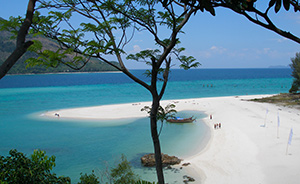 Krabi Town doesn’t really have many diving spots, but in Krabi Province in addition to Koh Phi Phi, there are Koh Lanta, Koh Haa and some smaller islands. Koh Lanta is quite large and has plenty of hotels and a road around its coastline. Koh Haa is uninhabited, but a popular diving destination in the south of Thailand. Most dive trips from Koh Lanta will either sail west to Koh Phi Phi or south to Koh Haa because the dive sites close to Koh Lanta aren’t very special. Koh Haa is a wonderful mini archipelago but only open from October to May. It’s ideal for divers of all levels of certification and experience, as well as snorkellers. Another dive spot in the area is known as Hin Daeng, although in fact, it’s two undersea pinnacles called Hin Daeng & Hin Muang. There’s nothing to do here except dive because there’s nothing above the surface, and it’s exposed in deep-sea far away from anything. The two dive sites are not for beginners, and like the best dive spots in Thailand, only open from October to May.