Whale Shark
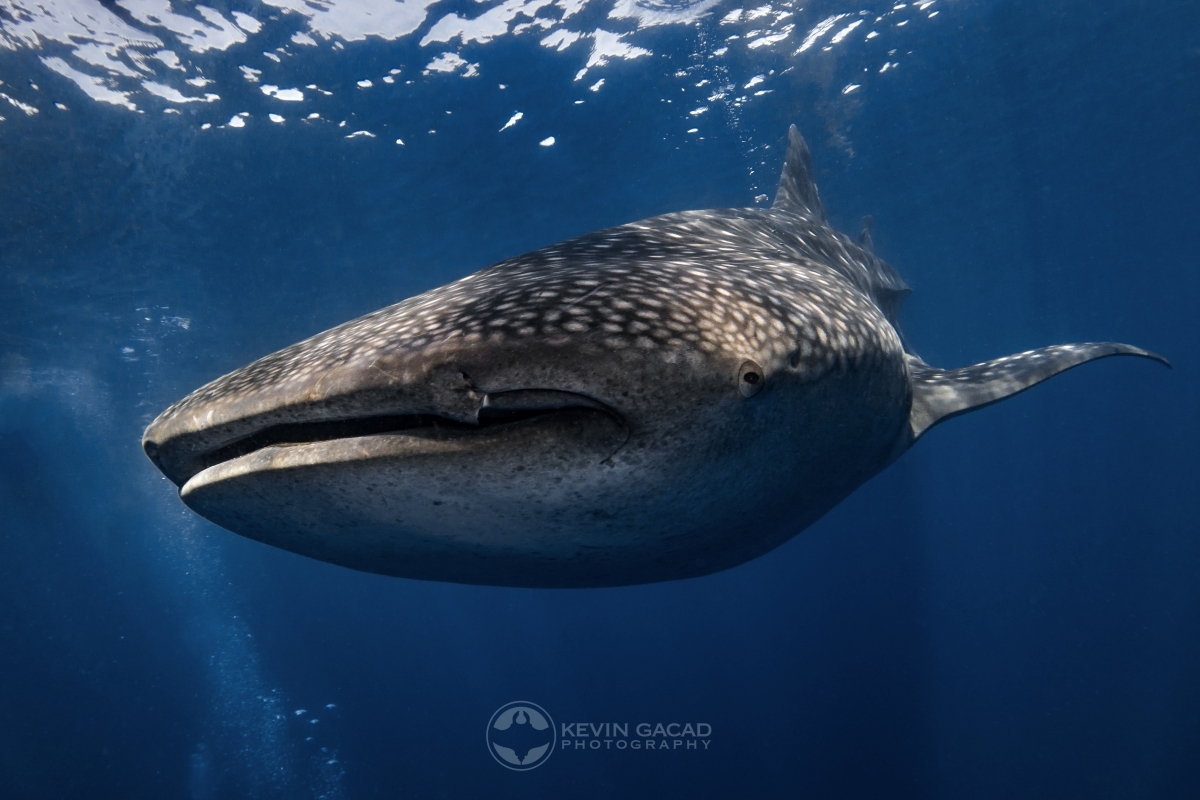
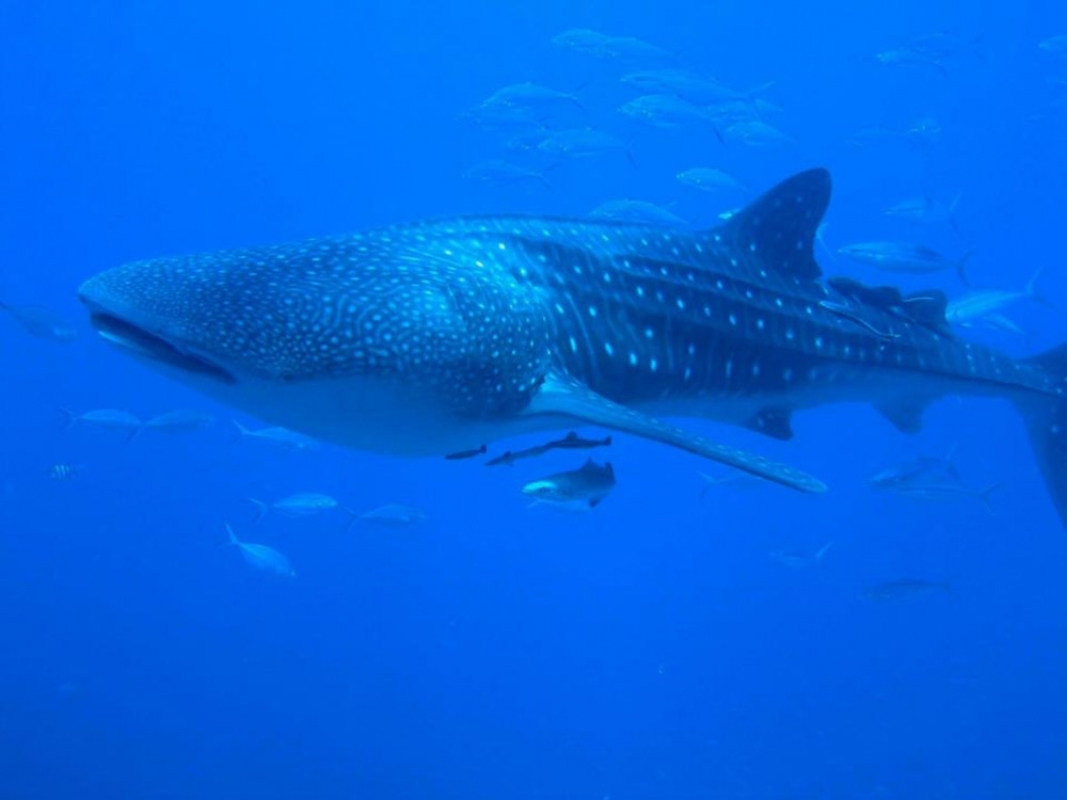
The largest fish in the sea, reaching sizes of more than 12 metres. Slow-swimming harmless shark that filter feeds near the surface is warm seas and oceans. Whale Sharks are harmless to humans, but need to be given space and respect by divers.


|
Whale Shark
Rhincodon typus
|
|
|---|---|
| Scientific Rank | |
| Kingdom: | Animalia |
| Phylum: | Chordata (Chordates) |
| Class: | Chondrichthyes: Cartilaginous fish |
| Order: | Orectolobiformes (Carpet Sharks) |
| Family: | Rhynchocinetidae (Rhynchocinetidae) |
| Genus: | Rhincodon (Rhincodon) |
| Species: | Rhincodon typus |
| Size | |
| Average Size: | 4 metres - 12 metres |
The whale shark (Rhincodon typincus) is the largest fish in the world and one of the most incredible animals a diver can encounter. Growing to over 12 metres in length, these gentle giants may look intimidating, but they are completely harmless to humans. They feed by filtering plankton, fish eggs and tiny marine life from the water as they swim slowly with their enormous mouths open.
Whale sharks are easily recognised by their distinctive white spots and stripes, with every individual having a unique pattern. They are found in warm tropical waters around the world, including Thailand, the Maldives, Indonesia, the Philippines and Australia, where seasonal food sources attract them.
Although sightings can never be guaranteed, encountering a whale shark is often the highlight of a dive trip. As an Endangered species, they face threats from fishing, boat strikes and habitat loss, making responsible diving practices and marine conservation essential to help protect these magnificent animals for future generations.
No Troubles Just Bubbles divers who recently spotted Whale Shark
(12) - No Troubles Just Bubbles divers have spotted Whale Shark on a liveaboard trip - showing the 8 most recent
 Indonesia
 Egypt
 Maldives
Maldives
 Thailand
Maldives
Maldives